


Trending Now
Human Trafficking Awareness Month: Combatting Human Trafficking Through Financial Institutions
22:07

Human Trafficking Awareness Month: Fighting Traffickers Through Cybersecurity with Traverse Project
20:11
Human Trafficking Month: Virtual Interview with Kevin Metcalf, Founder, NCPTF
33:23

CBP: Leading the Charge for Global Interoperability
25:56

Today’s Global Conflicts & U.S. Supply Chain Vulnerabilities
41:05

Meet Your Mission: Michael Daniel, President & CEO, Cyber Threat Alliance
17:45

Meet Your Mission: Micia Moses, Supervisory Border Patrol Agent, West Palm Beach Station
12:55

Meet Your Mission: Eric Leckey, Associate Administrator for Mission Support, FEMA
14:39

Meet Your Mission: Ryan Scudder, Executive Assistant Commissioner, Enterprise Services, CBP
07:52

Meet Your Mission: Chris Mocella, Deputy Director, Interdiction Technology Branch, CBP
17:07

Meet Your Mission: Diane Sabatino, Acting Executive Assistant Commissioner, OFO, CBP
25:43
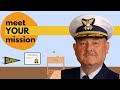
Meet Your Mission: Admiral Thad Allen, former Commandant of the U.S. Coast Guard
06:05

Meet Your Mission: Secretary Elaine Duke, former Secretary of the Department Homeland Security
24:51

Meet Your Mission: Patty Cogswell, former Deputy Administrator of TSA
08:41

Meet Your Mission: Kim Weissman, Senior Communication Advisor, Biometrics and Passenger Processing
15:23


WEBINAR: How To Do Business with DHS
The U.S. Department of Homeland Security (DHS), Office of the Chief Procurement Officer, will host a series of learning events titled "Unlocking Opportunities: How to Do Business with DHS" virtually via Adobe on Wednesday, February 28th, Thursday, April 18th, 1:00PM to 3:00PM and Wednesday, July 31st, 10:00AM to 12:00PM.

PODCAST: Planet NOAA
On Planet NOAA, go behind NOAA news headlines, get up close with cool science, and stream one-one-one conversations with scientists straight from your mobile device or computer!

War Without Rules: China’s Playbook for Global Domination
HSToday recommends you read/listen to Robert Spaldings new book titled: War Without Rules: China's Playbook for Global Domination.
In its pursuit of global supremacy, Communist...
