


Trending Now
Human Trafficking Awareness Month: Combatting Human Trafficking Through Financial Institutions
22:07

Human Trafficking Awareness Month: Fighting Traffickers Through Cybersecurity with Traverse Project
20:11
Human Trafficking Month: Virtual Interview with Kevin Metcalf, Founder, NCPTF
33:23
CBP: Leading the Charge for Global Interoperability
25:56

Today’s Global Conflicts & U.S. Supply Chain Vulnerabilities
41:05

Meet Your Mission: Michael Daniel, President & CEO, Cyber Threat Alliance
17:45

Meet Your Mission: Micia Moses, Supervisory Border Patrol Agent, West Palm Beach Station
12:55
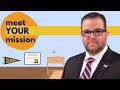
Meet Your Mission: Eric Leckey, Associate Administrator for Mission Support, FEMA
14:39

Meet Your Mission: Ryan Scudder, Executive Assistant Commissioner, Enterprise Services, CBP
07:52

Meet Your Mission: Chris Mocella, Deputy Director, Interdiction Technology Branch, CBP
17:07
Meet Your Mission: Diane Sabatino, Acting Executive Assistant Commissioner, OFO, CBP
25:43
Meet Your Mission: Admiral Thad Allen, former Commandant of the U.S. Coast Guard
06:05

Meet Your Mission: Secretary Elaine Duke, former Secretary of the Department Homeland Security
24:51

Meet Your Mission: Patty Cogswell, former Deputy Administrator of TSA
08:41

Meet Your Mission: Kim Weissman, Senior Communication Advisor, Biometrics and Passenger Processing
15:23


WEBINAR: Cybersecurity and You – Engaging with CISA for Safer and...
In its seventh webinar on the historic Infrastructure Investment and Jobs Act (IIJA), the APWA Government Affairs Team will host Alaina Clark, Assistant Director for Stakeholder Engagement for the Cybersecurity and Infrastructure Security Agency (CISA) of the Department of Homeland Security (DHS).

PODCAST: Planet NOAA
On Planet NOAA, go behind NOAA news headlines, get up close with cool science, and stream one-one-one conversations with scientists straight from your mobile device or computer!

Kingdom of Rage: The Rise of Christian Extremism and the Path Back to Peace
Join HSToday and read Elizabeth Neumann’s new book titled: Kingdom of Rage: The Rise of Christian Extremism and the Path Back to Peace.
