
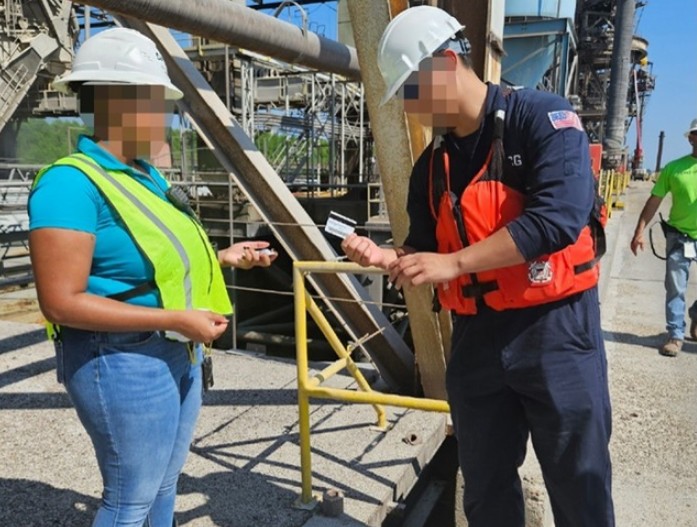
Ports and vessels handle billions of dollars in cargo annually, and an attack on our nation’s maritime transportation system could have dire consequences. The Transportation Worker Identification Credential (TWIC®) card helps protect U.S. ports from terrorist attacks. These cards are used to access secure areas of maritime facilities. About 2 million people have one of these cards.
The U.S. Government Accountability Office (GAO), the non-partisan, fact-based arm of the Congress, recently published a report highlighting several deficiencies in the TWIC® program. For example, the Transportation Security Administration (TSA) conducts security threat assessments of card applicants to help ensure that they do not pose security risks, but there are gaps in how TSA communicates updates to industry stakeholders. In addition, the Coast Guard enforces certain TWIC® regulatory requirements, but it has insufficiently planned for which facilities must have TWIC® card readers.
Implementation of TWIC® Biometric Card Readers
The SAFE Port Act requires DHS to issue final regulations requiring TWIC® reader deployment, but GAO found that the Coast Guard does not have a plan for finalizing regulations for which maritime facilities must have biometric card readers to validate TWIC® cards. Since 2009, the Coast Guard has proposed rules and regulations defining if and when facilities are required to use TWIC® readers when inspecting TWIC® cards. However, over that span the Coast Guard has delayed reader implementation elements four times and delayed the reader rule for full implementation twice. Currently only cruise ship terminals have these readers, but facilities that handle certain dangerous cargo (like liquified natural gas port terminals) will need to implement them in the future.
The Coast Guard attributes many of these delays to concerns raised by stakeholders including facility operators, industry organizations, and labor unions who have expressed concerns with how the Coast Guard defined and identified high-risk facilities requiring readers as well as challenges accessing needed TWIC® reader technology. Officials from eight of 10 Area Maritime Security Committees GAO spoke with also identified concerns including:
- Cost: The cost of implementing the readers concerns officials. For example, officials from one committee said that they spent $500,000 to replace more than 100 TWIC® readers that were obsolete.
- Complexity: Officials from seven of the 10 committees experienced complications in integrating the TWIC® readers with their facilities’ security protocols, they said.
- Functionality: The TWIC® readers they have purchased and installed do not consistently work, said officials from seven of the 10 committees. For example, the readers do not always read the fingerprints of facility workers, who often have dirty or unreadable prints from working with chemicals.
- Operations: The time it takes for readers to complete scanning cards delays workers accessing facilities, said officials from eight of the 10 committees, harming business operations. Ports with TWIC® readers may experience slower turn-around times, according to officials from four of these committees, potentially affecting the ports’ efficiency and attractiveness for shippers prioritizing speed.
The Coast Guard has taken steps to address these concerns by conducting a risk analysis to determine which types of facilities it will require to implement these readers, but it has not developed a plan on how it will issue final regulations to specify which facilities must have them. By not developing and implementing such a plan, the Coast Guard risks additional delays that could leave facilities that handle dangerous cargo at a greater risk of security breaches. We recommended that the Coast Guard develop and implement a plan on how it will issue these final regulations.
Communication with Stakeholders
GAO also found that TSA has taken some steps to communicate with stakeholders but could do better. TSA officials routinely engage with stakeholders at conferences, during TSA webinars about TWIC®, and at industry committee meetings. But industry associations, facility operators, and Coast Guard officials reported frustration and concerns with TSA’s communication, calling it ad hoc.
Declining engagement. Five out of six industry associations that spoke to GAO said they experienced either a decline in or a deficient level of communication with TSA on TWIC® despite previously either having strong working relationships with TSA or receiving regular information on TWIC® from TSA. Facility operators representing five of the 10 Area Maritime Security Committees also said that they did not have regular interactions with TSA or relied more on the Coast Guard instead for relaying TWIC® information. In addition, TSA did not routinely attend meetings for four of those six industry associations, they said, despite holding a committee seat.
Delays Receiving Key Program Updates. TSA was late delivering TWIC® program updates, said three of the six industry associations. For example, stakeholders did not receive key updates to 2024 technology changes affecting their ability to verify whether TWIC® cards were valid. Gaps in how TSA communicates program updates and other information to TWIC® stakeholders limit their ability to prepare for changes, such as procedures and technology for reading cards.
GAO recommended that TSA develop and implement a plan to systematically relay TWIC® program updates to them.
To learn more about these and other issues, see the full report here.