

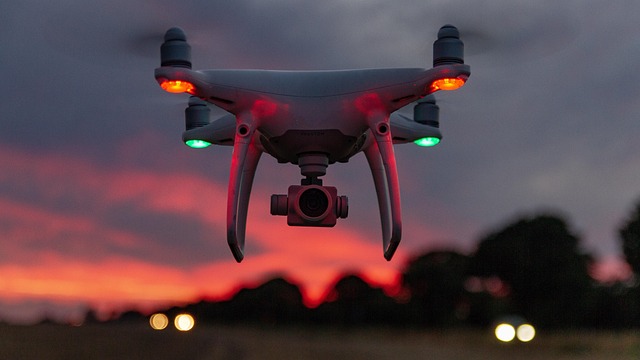
A retired U.S. Army Green Beret who trained Ukrainian forces and later served alongside a drone unit on the front lines of the war in Ukraine is warning that the conflict has become a proving ground for a new era of warfare—one centered on inexpensive drones, rapid innovation, and mass-scale unmanned systems.
The warning comes from Bryan Pickens during a recent interview on the Silicon Curtain podcast hosted by Jonathan Fink. The discussion examines how lessons emerging from Ukraine’s battlefield are being absorbed not only by Russia, but also by countries such as China, Iran, North Korea, and others observing or participating in the conflict.
Among Pickens’ concerns is what he describes as a growing gap between the pace of drone warfare innovation and the ability of Western militaries and homeland security organizations to adapt. He argues that relatively inexpensive commercial technology can now create threats once associated only with advanced military capabilities.
One example he shared involved a visit to a U.S. Coast Guard vessel in Los Angeles. According to Pickens, he observed no dedicated counter-drone measures protecting the boat despite its proximity to publicly accessible terrain. The experience led him to question how prepared military and homeland security organizations are for low-cost unmanned aerial threats.
The interview also explores how drones are reshaping military strategy. Pickens argues that large numbers of inexpensive drones can overwhelm traditional air defense systems, forcing defenders to expend far more costly interceptors against comparatively cheap aerial platforms. He describes drones as increasingly important components of modern military operations, serving reconnaissance, targeting, and strike functions across the battlefield.
Another theme throughout the discussion is the role Ukraine has played in accelerating the evolution of drone warfare. Pickens contends that the conflict has become a real-world laboratory where new tactics, technologies, and operational concepts are being tested continuously. He suggests that adversaries of the United States are gaining practical experience and insights from the conflict while Western nations remain largely observers.
The interview further raises questions about whether military leadership and defense institutions are adapting quickly enough to a threat environment increasingly shaped by autonomous systems, artificial intelligence, and low-cost unmanned technologies.
The full Silicon Curtain interview with Bryan Pickens is available through Jonathan Fink’s Substack and podcast platform.
Note: Readers should note that some content on the platform may be available only to subscribers behind a paywall.