
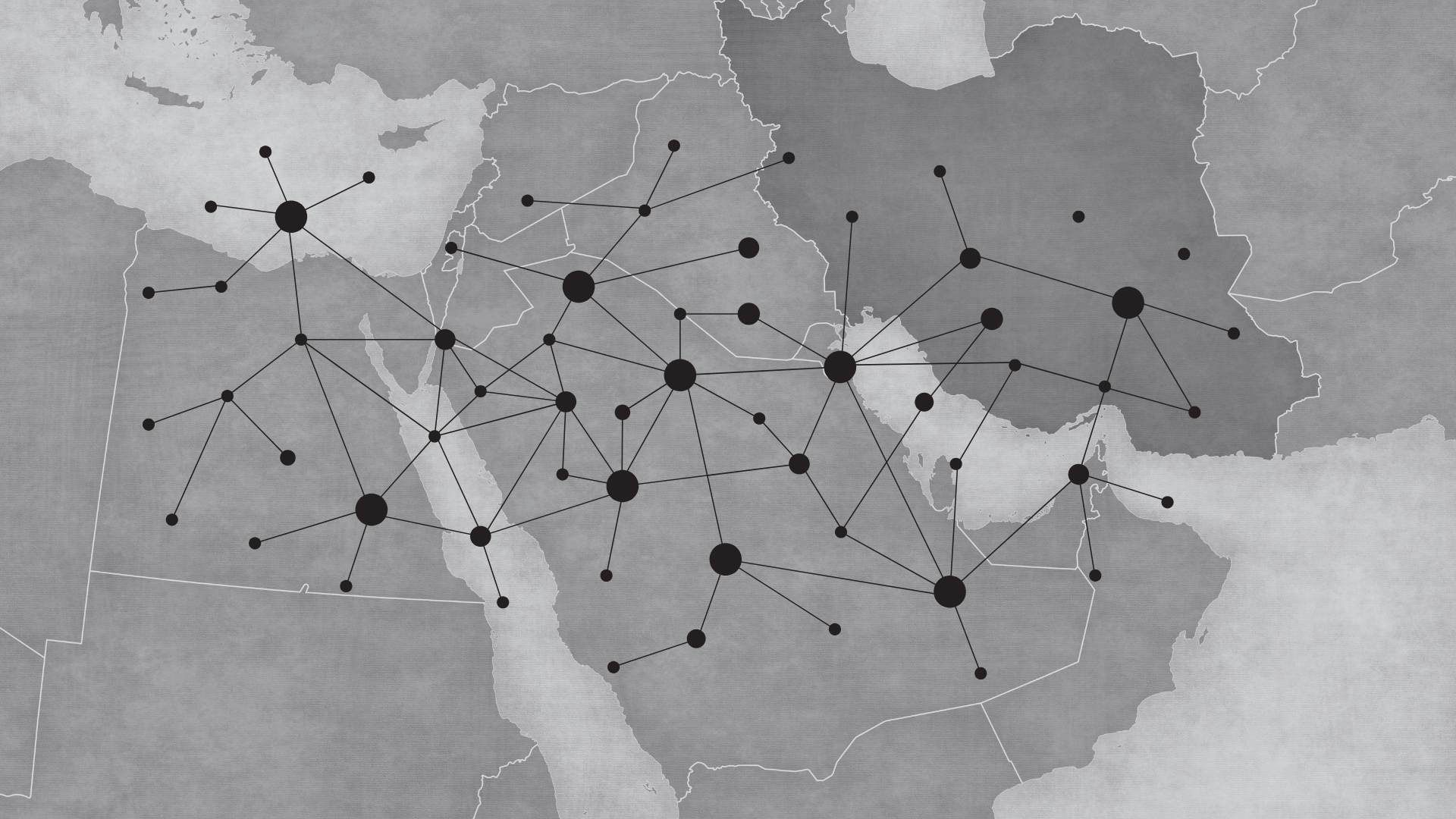
A damaged network isn’t a defeated one – and we’re less prepared than we should be.
- Days before the conflict escalated, the dismissal of FBI agents monitoring Iranian threats weakened U.S. preparedness at a critical moment. At the same time, Iran’s proxy network—though degraded—has become more fragmented and harder to track, increasing the risk posed by decentralized and less visible cells.
- Even as groups likeHezbollah and Hamas have suffered losses, the broader threat environment is becoming more volatile. Rising radicalization and opportunistic violence—sometimes inspired by groups like ISIS—are already producing attacks and plots across the United States and Europe.
- Compounding the risk, significant cuts to U.S. counterterrorism infrastructure, including at theDepartment of Justice and Department of State, have reduced monitoring capacity and strained international partnerships. The result is a dangerous gap between a more adaptive threat landscape and a weakened ability to detect and prevent attacks.
Days before Operation Epic Fury began, the FBI fired a dozen agents who had been monitoring Iranian threats – not for poor performance, but because they had worked on the investigation into the handling of classified documents at Mar-a-Lago. That unit was dismantled right before we went to war.
A Weaker Network Isn’t a Safer One
Hezbollah took serious losses in Lebanon. Hamas has been devastated in Gaza. The Houthis have been under sustained military pressure. Iran lost Syria as a land corridor. The Axis of Resistance is genuinely weaker than it was a year ago. But a damaged network isn’t a defeated one. When that kind of network takes serious damage, it doesn’t disappear. It adjusts. What’s left tends to be smaller, harder to track, and operate with less direction from the top. Cells in Western countries that were never fully exposed start to matter more.
Iran doesn’t operate like ISIS. It never tried to inspire strangers to act alone. It runs a directed network – organized, funded, and controlled. A Hezbollah with a clear command structure is actually easier to monitor than a loose collection of cells with less oversight from Tehran. Fragmentation doesn’t make the threat go away. It makes it harder to see coming. Iran also still has direct capabilities – ballistic missiles, drone programs, and cyber operations. The proxy model has taken a hit. The ability to cause harm has not.
The Broader Ecosystem Is Already Moving
Every major conflict in the Middle East produces the same side effect. Radicalization speeds up. Not because Iran is running a global inspiration campaign the way ISIS once did, but because other actors – jihadist groups, domestic extremists, foreign influence operations – are good at exploiting a moment when anger is high, and attention is divided.
The results are already here – and not just in the United States. The day after the war started, a gunman opened fire at a bar in Austin, Texas, killing three and wounding fifteen. He was wearing an Iranian flag design, and investigators found an Iranian flag and photos of Iranian leaders at his home. The FBI is investigating it as a potential act of terrorism, though the motive has not been confirmed. In Oslo, an explosion struck the U.S. Embassy. Norwegian authorities arrested three brothers of Iraqi origin on suspicion of terrorism and are investigating whether they were acting on orders from a foreign government.
On March 12, a synagogue in a Detroit suburb was attacked by a man who had just lost two brothers to an Israeli strike in Lebanon. That same day, two teenagers were charged with attempting to detonate explosives outside the mayor’s mansion in New York, allegedly saying they were inspired by ISIS. Antisemitic threats on social media have surged to roughly 3,000 violent posts per week. Investigators are still working out the motives in several of these cases. Incidents are already happening on both sides of the Atlantic, and we’re struggling to sort out what’s connected to what.
We Cut the Wrong Things Before This Started
The Justice Department’s National Security Division has lost at least half its staff across multiple offices, including counterterrorism. One former senior DOJ official put it plainly: if you lose half your capacity, you lose half your ability. The State Department’s Bureau of Counterterrorism was hit in July 2025. The Office of Countering Violent Extremism was eliminated. The team responsible for CT strategy, planning, and initiatives was also cut. These weren’t peripheral offices. They were the people who built the U.S. government’s international approach to preventing radicalization and coordinating policy with partner nations.
Counterterrorism runs on relationships – with Five Eyes partners who share signals intelligence, with INTERPOL channels that flag suspicious travel and known operatives, with bilateral CT partnerships built over years of hard-won trust. Those relationships require regular contact between the people doing the actual work. When those people are gone, partners don’t know who to call. The intelligence stops flowing. Our partners are watching our institutions. Some are already adjusting their expectations.
The Bureau of Near Eastern Affairs went into this war with deep cuts already in place. The dedicated Iran office was eliminated and merged into the Iraq office. Career experts who spent decades in the region were replaced or pushed out. Five former U.S. ambassadors have publicly spoken about failures in communication and evacuation coordination that followed the opening strikes. At DHS, the Center for Prevention Programs and Partnerships was built to help states prevent targeted violence before it happens. Its staffing was pulled back early in the current term. That work now falls to individual states. DHS has not updated its National Terrorist Advisory System alert since the June 2025 strikes on Iran’s nuclear facilities – even as a full-scale war is now underway.
The Old Dominion University attack on March 12 is a warning about where those cuts lead. The shooter was a convicted ISIS supporter back in the community after an early prison release. With monitoring capacity already reduced across the DOJ and the intelligence community, he walked into an ROTC classroom and killed an Army lieutenant colonel before students subdued and killed him. Investigators found no direct link to the Iran war. What they found was a known threat actor who slipped through the cracks of a system stretched too thin to catch him. The National Counterterrorism Center now has no confirmed director in the middle of an active conflict.
What Needs to Happen – and What’s at Stake
These gaps have names and addresses. NCTC needs confirmed leadership now. Relationships between Five Eyes and INTERPOL need people who know the terrain. The CT and CVE functions at State need to be rebuilt. Domestic prevention work needs a federal backbone again. None of that requires a new strategy. It requires restoring what was working before it was dismantled.
Iran’s proxy network is weaker. A recalibrating network is also harder to track. Our monitoring capacity has been cut. Our partner relationships are fraying. That combination is its own kind of danger. The debate right now is almost entirely about what Iran will or won’t do next. That conversation matters. But it’s pulling attention away from a more complicated picture developing here at home. The cost shows up in real time, in ways that are very hard to reverse.