
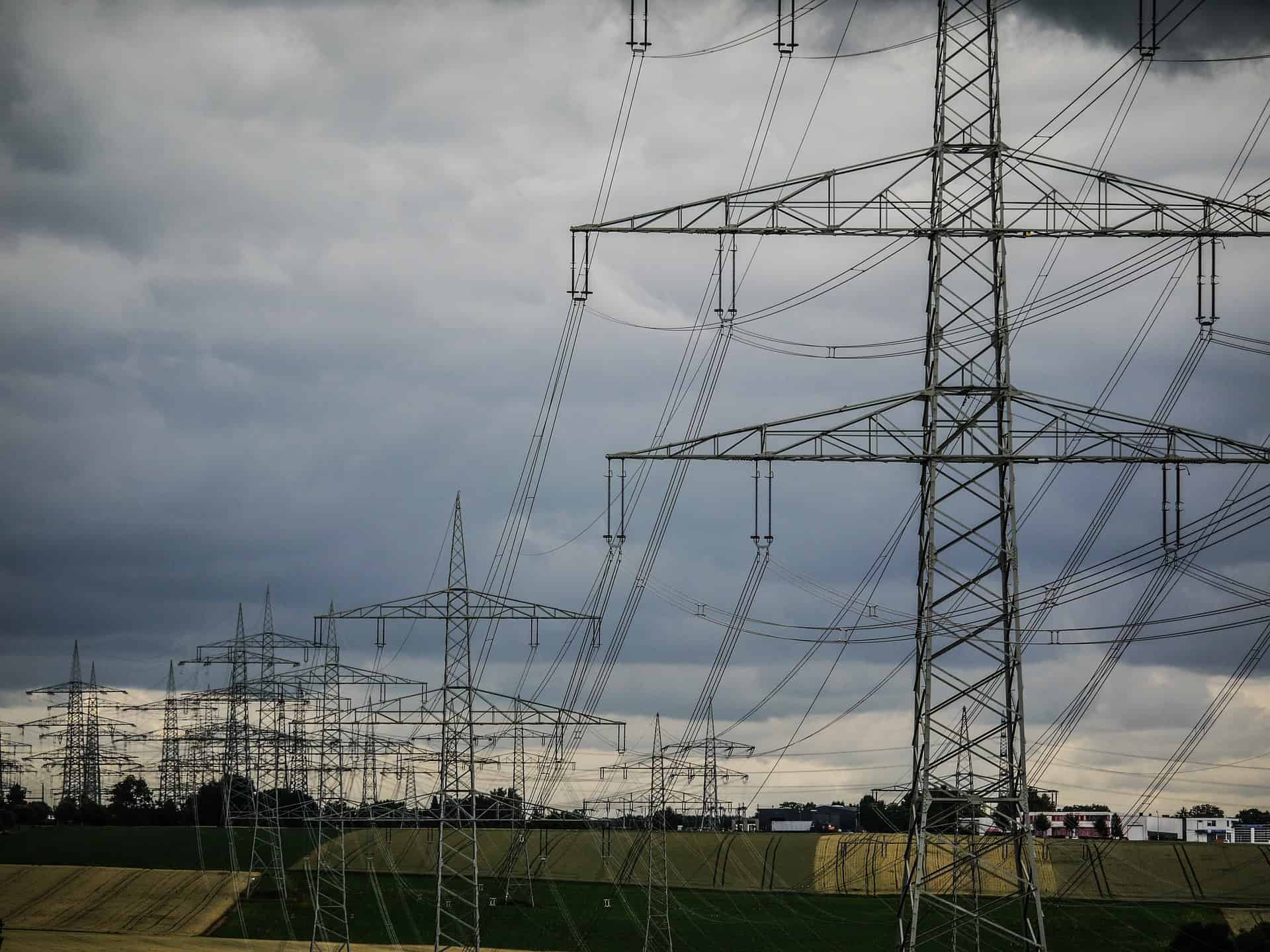
The U.S. Department of Energy’s FY 2027 budget frames cybersecurity as a core pillar of national energy security, embedding it directly within efforts to protect and modernize critical infrastructure. The request allocates US$160 million to the Office of Cybersecurity, Energy Security, and Emergency Response to enhance the security of energy infrastructure and its supply chain, while deploying experts to respond to energy crises. This underscores CESER’s role in safeguarding the grid and responding to energy-sector crises amid surging demand from data centers, AI workloads, and advanced manufacturing.
The DOE move reflects a growing recognition that grid reliability and cybersecurity are now inseparable, particularly as system strain and digital interdependencies expand the attack surface. The budget signals a shift from viewing cybersecurity as a supporting function to treating it as foundational infrastructure across civilian energy systems and defense operations. From securing supply chains and energy delivery systems to protecting nuclear assets and enabling digital transformation initiatives, the DOE aligns cybersecurity spending to protect national security and maintain operational continuity in an increasingly contested and interconnected threat landscape.
To secure U.S. energy infrastructure, CESER programs coordinate with energy infrastructure owners and operators. This collaboration also extends to state and local governments to identify, understand, mitigate, and develop practical guidance and tools to enhance the security and resilience of the energy sector. This proactive approach, embedding cybersecurity considerations into the development of new energy technologies, is fundamental to preventing the introduction of future vulnerabilities and safeguarding the energy system that underpins our national security.
Read the rest of the story at Industrial Cyber.