
Public works professionals are often among the first on scene during emergencies, but their role in public safety is frequently overlooked, according to local officials working to change that perception.
Shane Mark, Assistant Director of Public Works for the Town of Needham, Massachusetts, is among those advocating for greater recognition of the field. He emphasizes that public works personnel play a critical role in enabling emergency response operations, from maintaining roads to supporting on-the-ground logistics.
“Whenever you see a police or fire response, 9 times outta 10 you’re gonna see a public works professional behind the scenes,” Mark said.
Public works encompasses a wide range of services and responsibilities that support daily life and emergency response alike. The field includes the physical infrastructure, personnel, and management systems required to deliver essential services such as road maintenance, water and utility systems, waste collection, and infrastructure repair. These functions are considered foundational to public health, safety, and overall quality of life.
Unlike police or fire departments, public works operations vary significantly from one community to another. Some municipalities maintain dedicated departments, while others distribute responsibilities across multiple agencies or rely on private contractors for certain services. Despite these differences, core services—such as water delivery, utilities, and waste management—are present in every community.
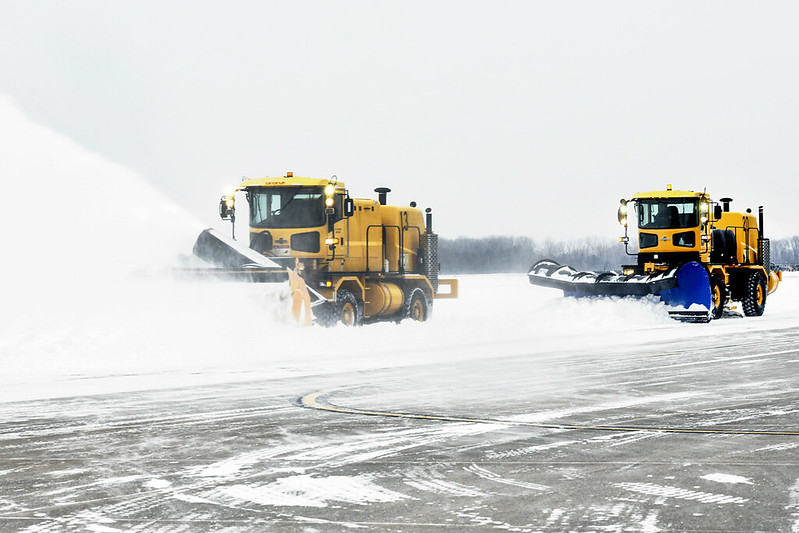
Public works teams are also closely tied to emergency response. Road clearing, snow removal, debris management, and infrastructure repair are often necessary before police, fire, and emergency medical services can safely access affected areas. In many incidents, public works personnel are deployed alongside traditional first responders, supporting operations behind the scenes.
The sector also intersects with public utilities, which may be publicly or privately operated but remain essential to community function and are subject to government oversight. These services, including electricity, water, transportation, and communications, are widely considered part of the broader public works ecosystem.
Across the United States, tens of thousands of municipalities rely on public works systems to meet the daily needs of residents. Officials in the field say that while the structure and delivery of services may differ, the mission remains consistent: maintaining the infrastructure and services that allow communities—and emergency responders—to function.
As communities continue to face natural disasters, infrastructure demands, and population growth, leaders like Mark are working to highlight the role public works professionals play—not only in maintaining systems, but in supporting public safety when it matters most.