
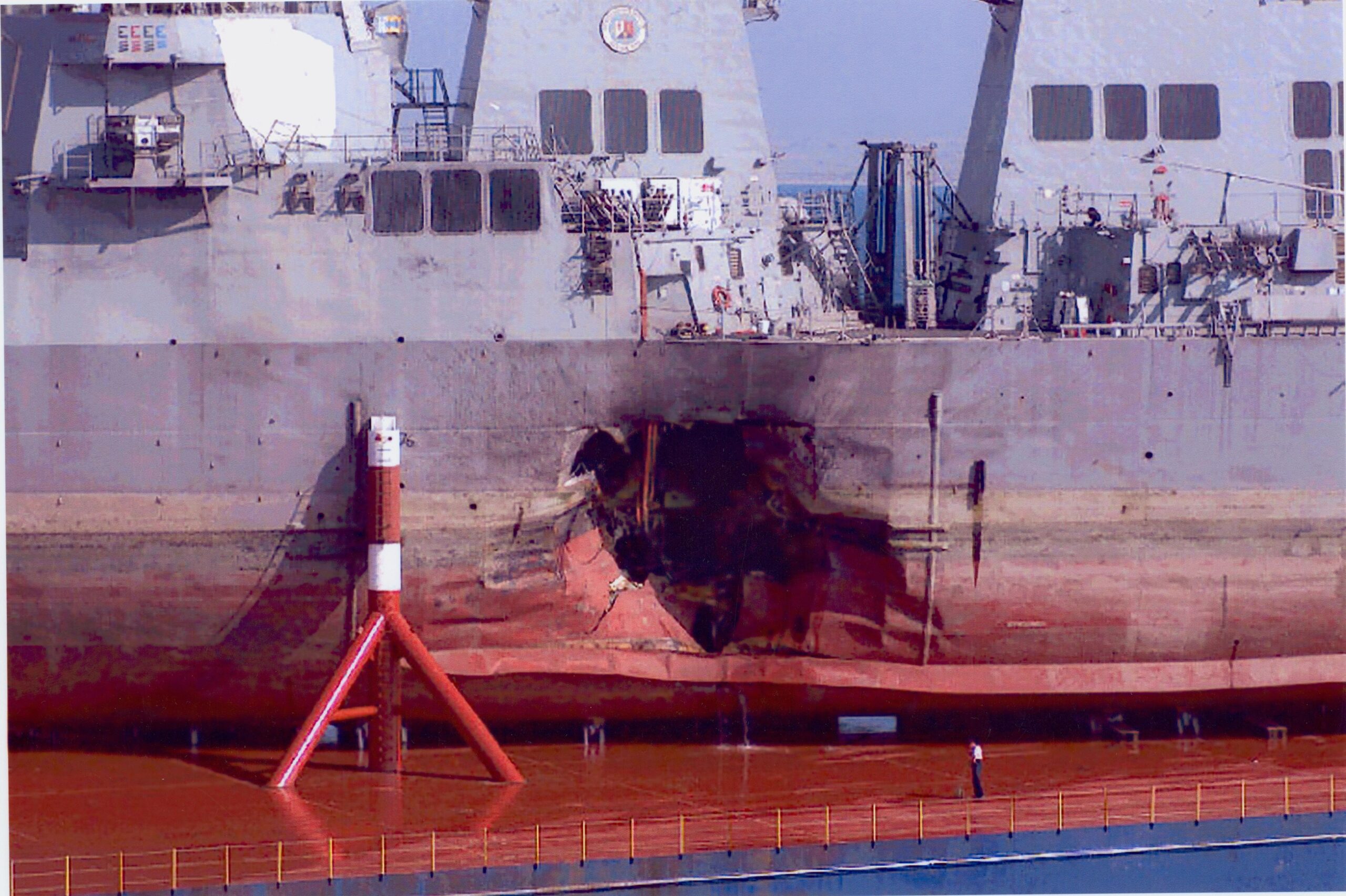
Terrorist organizations have continued to employ suicide bombings as a core tactic well into mid-2025, underscoring the enduring utility of this method in asymmetric warfare. The Tehrik-e-Taliban Pakistan (TTP) has intensified its operations following the Taliban’s return to power in Afghanistan in 2021. On March 4, 2025, the TTP claimed responsibility for two coordinated suicide attacks targeting a military installation, resulting in the deaths of 12 individuals and injuries to at least 30 others. Subsequently, on June 28, 2025, the same organization executed another suicide operation in which an explosive-laden vehicle was rammed into a Pakistani military convoy, killing 13 soldiers and injuring 25.
Elsewhere, on June 22, 2025, Saraya al-Sunnah—a splinter faction of Hay’at Tahrir al-Sham (HTS)—carried out a suicide bombing targeting a Greek Orthodox church in Damascus, Syria, resulting in 20 fatalities. Additionally, Boko Haram, a group historically responsible for the highest number of suicide bombings during the early 2010s, conducted its first such attack of the year on June 21, 2025. In this instance, a female suicide bomber targeted a fish market, killing 12 individuals.
Suicide attacks are a form of politically motivated violence in which perpetrators intentionally detonate explosive devices affixed to their bodies, with the explicit objective of causing mass casualties and accepting their own death as a central component of the operation. This tactic emerged prominently in Lebanon during the 1980s and has since proliferated across the Middle East and beyond, becoming an established method within the repertoire of various terrorist organizations. Although suicide bombings represent a relatively small proportion of global terrorist incidents—accounting for approximately 2% of all attacks in 2019—they continue to have a disproportionate psychological and strategic impact. That year, the Taliban was responsible for the majority of such operations.
Suicide bombers can be analytically divided into three primary categories. The first consists of individuals who are ideologically or emotionally committed to sacrificing their lives. While some may act independently, it is more common for such individuals to be identified, mentored, and mobilized by external actors or organizations. The second category encompasses groups that adopt suicide bombing as a tactical response to specific events or strategic challenges. This includes, for instance, Hamas, which intensified its suicide bombing campaign following the 1994 Hebron massacre and the 1996 assassination of its operative Yehiya Ayash; Hezbollah, which employed similar tactics in Lebanon between 1983 and 1985; and Chechen insurgents, who resorted to suicide operations between 1994 and 1996 after suffering repeated military setbacks against Russian forces. The third and least common group integrates suicide bombing into a long-term organizational strategy, often through the establishment of specialized units. The Liberation Tigers of Tamil Eelam (LTTE), particularly its elite “Black Tigers” division, exemplify this approach. Members of these units undergo distinct training, live in seclusion from other militants, and, since the 1980s, have been instructed to carry cyanide capsules for use in the event of imminent capture.
The strategic deployment of suicide bombings has yielded notable outcomes for various militant organizations, serving both tactical and symbolic functions. In 1983, suicide attacks directed against U.S. military installations in Lebanon precipitated the withdrawal of American forces, a development that had enduring implications for U.S. foreign policy in the Middle East. Hezbollah integrated suicide operations into its broader insurgent campaign against Israeli occupation in Lebanon, employing them as a means of asymmetrical warfare with considerable psychological and operational impact. In the case of the Kurdistan Workers’ Party (PKK), the adoption of suicide bombing intensified following the 1999 capture of its leader, Abdullah Ocalan, marking a shift in the organization’s tactics aimed at destabilizing Turkish state authority and galvanizing Kurdish nationalist sentiment. The Liberation Tigers of Tamil Eelam (LTTE) institutionalized suicide operations through the creation of elite martyrdom units, most notably demonstrated in the assassinations of Indian Prime Minister Rajiv Gandhi in 1991 and Sri Lankan President Ranasinghe Premadasa in 1993. These acts exemplified the group’s capacity to leverage suicide bombings for high-level political violence. Similarly, Hamas employed a sustained campaign of suicide bombings throughout the 1990s, effectively obstructing the Israeli-Palestinian peace process and altering the political calculus of negotiations. Collectively, these cases illustrate how suicide bombing has been strategically instrumentalized to achieve both immediate tactical objectives and long-term political disruption.
A frequently employed variant of the suicide bombing tactic is the “storming and rapid assault” approach, wherein attackers aggressively breach targeted sites with the dual aim of inflicting structural damage and maximizing human casualties. This method has been utilized by groups such as the Taliban and the Islamic State Khorasan Province (ISIS-K), particularly within the Afghan context. A notable example occurred in 2021, following the withdrawal of U.S. forces from Afghanistan and the Taliban’s subsequent return to power. During this period, ISIS-K operatives executed a coordinated, two-phase attack at the Kabul airport: two suicide bombers detonated themselves at the perimeter, followed immediately by an armed assault on the site. The operation resulted in the deaths of 60 Afghan civilians and 13 U.S. service members, underscoring the continued lethality and sophistication of such hybrid tactics.
Several terrorist organizations have systematically incorporated women into their operational structures, including as combatants and suicide bombers. The LTTE maintained a female participation rate of approximately 19 percent, while the PKK has demonstrated one of the highest levels of female involvement among insurgent groups, with women comprising nearly 50 percent of its ranks. Between 1996 and 2016, for example, women were responsible for 12 of the PKK’s 20 recorded suicide attacks, underscoring the group’s instrumental use of gender in tactical and symbolic dimensions of political violence.
According to data from the Global Terrorism Trends and Analysis Center (GTTAC), the number of suicide bombing attacks declined significantly between 2018 and 2024 (see Figure 1). In 2018, there were 306 recorded suicide attacks; this number fell to 245 in 2019, 121 in 2020, 104 in 2021, 98 in 2022, 100 in 2023, and just 55 in 2024. This downward trend reflects both tactical and ideological shifts among terrorist organizations. On the tactical front, many groups have increasingly favored alternative methods of violence, leading to a diversification in weapon types. While suicide bombings have decreased, the proportion of terrorist attacks involving explosive devices has risen—from 17 percent in 2022 to 31 percent in 2024—indicating a shift toward non-suicidal, remote, or standoff tactics. This transformation is also closely tied to the strategic preferences of particular organizations. For instance, Iran-backed militant groups generally avoid employing suicide bombers, opting instead for weapons such as mortars, rockets, missiles, and unmanned aerial vehicles (UAVs). In 2024 alone, these groups were responsible for 2,026 terrorist incidents involving such weaponry. Similarly, jihadist groups have also adapted their operational approaches, increasingly incorporating explosives and drones into their attacks in lieu of traditional suicide bombings. These changes underscore a broader evolution in terrorist methodologies, shaped by both ideological orientations and technological advancements.

As illustrated in Figure 2, the number of casualties resulting from suicide bombing attacks showed a marked decline between 2018 and 2024. In 2018, suicide bombings caused a total of 7,650 casualties (including both fatalities and injuries), which decreased to 5,524 in 2019. A particularly sharp drop occurred in 2020, when total casualties fell to 1,618—likely due to the global restrictions and quarantines imposed during the COVID-19 pandemic, which limited public gatherings and movement. In the subsequent years—2021, 2022, and 2023—the casualty figures remained relatively stable, averaging around 2,300 annually. By 2024, the total number of casualties declined further to 1,338, reflecting the overall reduction in suicide bombing incidents during this period.
In addition to the absolute number of casualties, the average number of casualties per suicide attack—calculated by dividing total casualties by the number of incidents each year—also exhibited fluctuations. In 2018, each suicide bombing resulted in an average of 25 casualties, which decreased to 22 in 2019 and further declined to 13 in 2020. This figure rose again to 23 in 2021 and remained relatively consistent through 2022 and 2023. Interestingly, despite the overall decline in attacks and casualties in 2024, the average casualty rate per attack increased slightly to 24, suggesting that while suicide bombings became less frequent, their lethality remained high.

As illustrated in Figure 3, Afghanistan recorded the highest number of suicide bombing attacks globally between 2018 and 2024, primarily driven by operations conducted by the Taliban prior to its takeover of the country in August 2021. Following the Taliban’s return to power, the frequency of suicide attacks declined significantly, with the Islamic State Khorasan Province (ISIS-K) emerging as the principal actor employing suicide bombings in the post-takeover period. Somalia ranked second in the total number of suicide attacks during this timeframe, largely attributed to al-Shabaab. Mirroring the trend observed in Afghanistan, Somalia experienced a notable decline in such incidents—from 33 attacks in 2018 to 11 in 2024.
In Syria, suicide attacks increased from 27 in 2018 to 48 in 2019, a surge largely attributed to intensified operations by the Islamic State (ISIS). However, the trend reversed in subsequent years, with only 3 recorded suicide attacks in Syria by 2024. Pakistan also emerged as a key site for suicide terrorism, particularly in the wake of its support for the Taliban during the U.S. withdrawal from Afghanistan. After the Taliban’s ascension, Pakistan experienced a resurgence in terrorist violence, notably from Tehrik-e-Taliban Pakistan (TTP) and Baloch separatist groups. Suicide attacks in Pakistan rose from 7 in 2021 to 31 in 2023, compared to 23 attacks in 2018.
Nigeria, once the global epicenter of suicide bombings during the early 2010s due to Boko Haram’s widespread use of the tactic—including coordinated attacks involving multiple bombers—saw a renewed upward trend beginning in 2022. The number of suicide attacks in Nigeria rose from a single incident in 2022 to 12 in 2024, suggesting a possible tactical revival by the group. Additionally, suicide attacks were recorded in other parts of Africa between 2018 and 2024, notably in Cameroon, Libya, Mali, and Tunisia, primarily perpetrated by affiliates of ISIS and al-Qaeda.

Figure 4 presents the distribution of suicide bombing attacks conducted by the top ten terrorist organizations between 2018 and 2024. All of these groups are Islamist in orientation and operate within ideological frameworks heavily influenced by radical Salafi-jihadism. These organizations propagate a distorted interpretation of Islamic texts, particularly the concept of martyrdom as found in the Qur’an, to legitimize suicide operations. They frame such acts as a form of religious obligation in a perceived existential war against the West, promising divine reward—such as entry into paradise—for those who sacrifice themselves through suicide bombings.
A majority of the most active perpetrators are affiliated either with al-Qaeda or the Islamic State (ISIS). Among al-Qaeda-linked groups, al-Shabaab was responsible for the highest number of suicide attacks, recording 170 incidents during the period under study. Hay’at Tahrir al-Sham (HTS) and Jama’at Nusrat al-Islam wal-Muslimin (JNIM) also conducted suicide bombings, with 16 and 14 recorded attacks, respectively. On the ISIS side, the group’s core organization in Syria and Iraq carried out 134 suicide attacks, while its regional affiliates also maintained significant levels of activity: ISIS-Khorasan (ISIS-K) in Afghanistan was responsible for 77 attacks, ISIS-West Africa (ISIS-WA) in Nigeria conducted 23 attacks, and ISIS-Sinai in Egypt carried out 10 attacks between 2018 and 2024. These patterns underscore the continued strategic reliance on suicide bombings by transnational jihadist networks and their affiliates, despite broader global declines in the overall frequency of such attacks.

In conclusion, terrorist organizations continually adapt and evolve their operational tactics in response to changing strategic, ideological, and technological conditions. Since the emergence of suicide bombings as a tactic in the 1980s—most notably used by Hezbollah—such attacks have become a hallmark of high-impact terrorism. However, a significant decline in the frequency of suicide bombings has been observed since 2018, mainly driven by shifts in weapon systems and tactical preferences. Today’s militant groups increasingly favor standoff weaponry such as mortars, rockets, missiles, and drones, which offer greater operational flexibility and less risk to personnel. Despite the overall decline, the continued use of suicide bombings by jihadist organizations—particularly those affiliated with al-Qaeda and the Islamic State—shows that the tactic still holds strategic and symbolic importance. Jihadist groups remain the leading perpetrators of terrorist attacks globally, accounting for approximately 40 percent of recent incidents. This already high level of activity, combined with their persistent reliance on suicide operations, suggests that—although less frequent—suicide bombings are likely to remain a significant component of terrorist violence in the near future.