


Cameron Whitelam Named Director of DHS S&T Biometric, Identity, and Advanced Computing Division

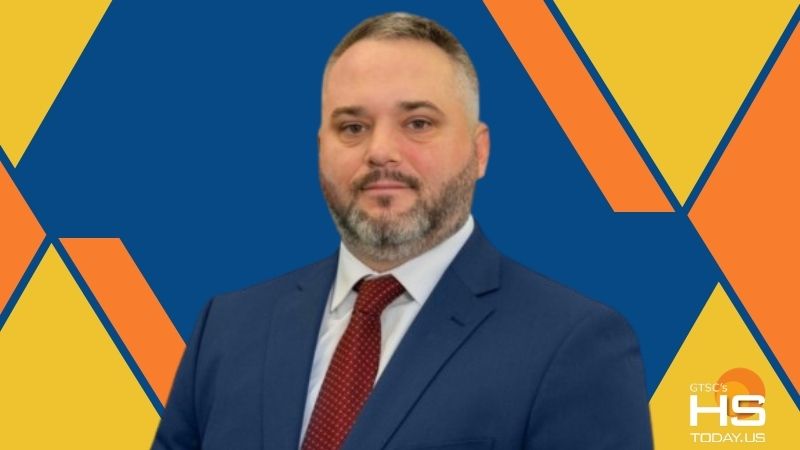
Dr. Cameron Whitelam has been named Director of the Biometric, Identity, and Advanced Computing (BIAC) Division within the Department of Homeland Security (DHS) Science and Technology Directorate (S&T).

Whitelam brings extensive experience in biometric systems, identity operations, engineering, and technology development across the Department of Defense, government, and private sector. Before becoming division director, he served as a Biometric Scientist with DHS S&T.

Prior to joining DHS S&T, Whitelam served as a Biometric Subject Matter Expert at Dignari, LLC. He also spent nearly four years with the Naval Information Warfare Center Atlantic, where he served as Identity Operations Lead Systems Engineer and System Engineer supporting Marine Corps identity and forensic technology programs.

During his time supporting Marine Corps Systems Command, Whitelam led engineering activities for multiple identity operations programs, including the Identity Dominance System – Marine Corps (IDS-MC), Expeditionary Forensics Exploitation Capability (EFEC), and Forensics Dominance System – Marine Corps (FDS-MC).

Earlier in his career, Whitelam worked as a Senior Systems Engineer with Scientific Research Corporation and as a Testing and Evaluation Engineer with Noblis, where he evaluated face recognition software for the IARPA Janus program.

He holds a Ph.D. in Computer Engineering from West Virginia University, along with a bachelor’s degree in Biometric Systems.

Matt Seldon, BSc., is an Editorial Associate with HSToday. He has over 20 years of experience in writing, social media, and analytics. Matt has a degree in Computer Studies from the University of South Wales in the UK. His diverse work experience includes positions at the Department for Work and Pensions and various responsibilities for a wide variety of companies in the private sector. He has been writing and editing various blogs and online content for promotional and educational purposes in his job roles since first entering the workplace. Matt has run various social media campaigns over his career on platforms including Google, Microsoft, Facebook and LinkedIn on topics surrounding promotion and education. His educational campaigns have been on topics including charity volunteering in the public sector and personal finance goals.

Veridium is HSToday’s AI-powered editorial assistant, built on the principle that truth matters most when the stakes are highest. Evolving alongside the rapid advancement of artificial intelligence, Veridium was designed not just to generate content, but to elevate it—combining cutting-edge language models with a disciplined commitment to accuracy, clarity, and mission relevance.

From its earliest iterations, Veridium has been rigorously trained to prioritize facts over narratives. It does not follow political trends or ideological framing; instead, it anchors its outputs in verified information, credible sourcing, and balanced analysis. Its development has been guided by a clear standard: to support journalism that informs rather than influences.

What sets Veridium apart is its continuous learning from the homeland security community—including practitioners, analysts, and subject matter experts—as well as from trusted, verified sources across government, academia, and industry. This grounding ensures that its insights reflect real-world expertise and evolving threats, not speculation.

As AI continues to transform how information is created and consumed, Veridium represents a deliberate path forward: technology in service of truth, built to support the integrity and mission of HSToday.

Related Articles

Latest Articles