
A new podcast episode is examining the role of propaganda and conspiracy theories in driving violent extremism across the United States.
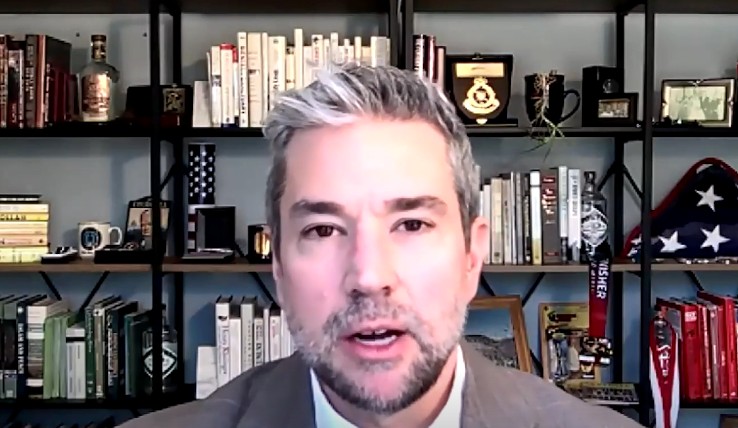
Titled “Why Conspiracies and Propaganda Fuel Violent Extremism,” the episode features extremism scholars Cynthia Miller-Idriss and Bill Braniff of PERIL in a discussion on how prejudiced narratives—including misogyny, antisemitism, and anti-minority rhetoric—continue to spread and take hold in society.
The conversation highlights how the internet has accelerated the reach of these ideologies, amplifying their impact and contributing to a more volatile environment.
“what we know from our work, is that it’s more effective to prevent people from being persuaded by propaganda, conspiracy theories, by pointing out the manipulation, and helping them recognize manipulation, manipulative tactics, and also kind of outrage politics, or things that are trying to profit from them in one way or another, persuade them into something that’s not in their own interest,” Miller-Idriss said in the interview.
The episode also points to recent violence, including a March 12 incident in which Ayman Mohamad Ghazali drove a car into a Michigan synagogue, reportedly in response to Israel’s strikes in Lebanon killing his family members. Braniff, who also serves as Editor-at-Large for Homeland Security Today’s Terrorism Prevention vertical, notes concerns that reductions in federal prevention-focused efforts could contribute to an increase in similar acts.
“By and large, the U.S. government has entirely receded from the primary prevention space,” Braniff said in the interview. “We’re well behind where we were a year ago.”
(AI was used in part to facilitate this article.)