
Key Takeaways
- Natural hazards, such as hurricanes and flooding, can cause significant damage to the electricity grid.
- FEMA manages programs that communities can apply to for project funding that could help mitigate the effects of natural hazards. From FYs 2022-2024, FEMA provided about $13.6 million through hazard mitigation programs for 14 renewable energy projects, including rooftop solar panels.
- FEMA generally requires funding applicants to analyze the costs and benefits of proposed projects.
What GAO Found
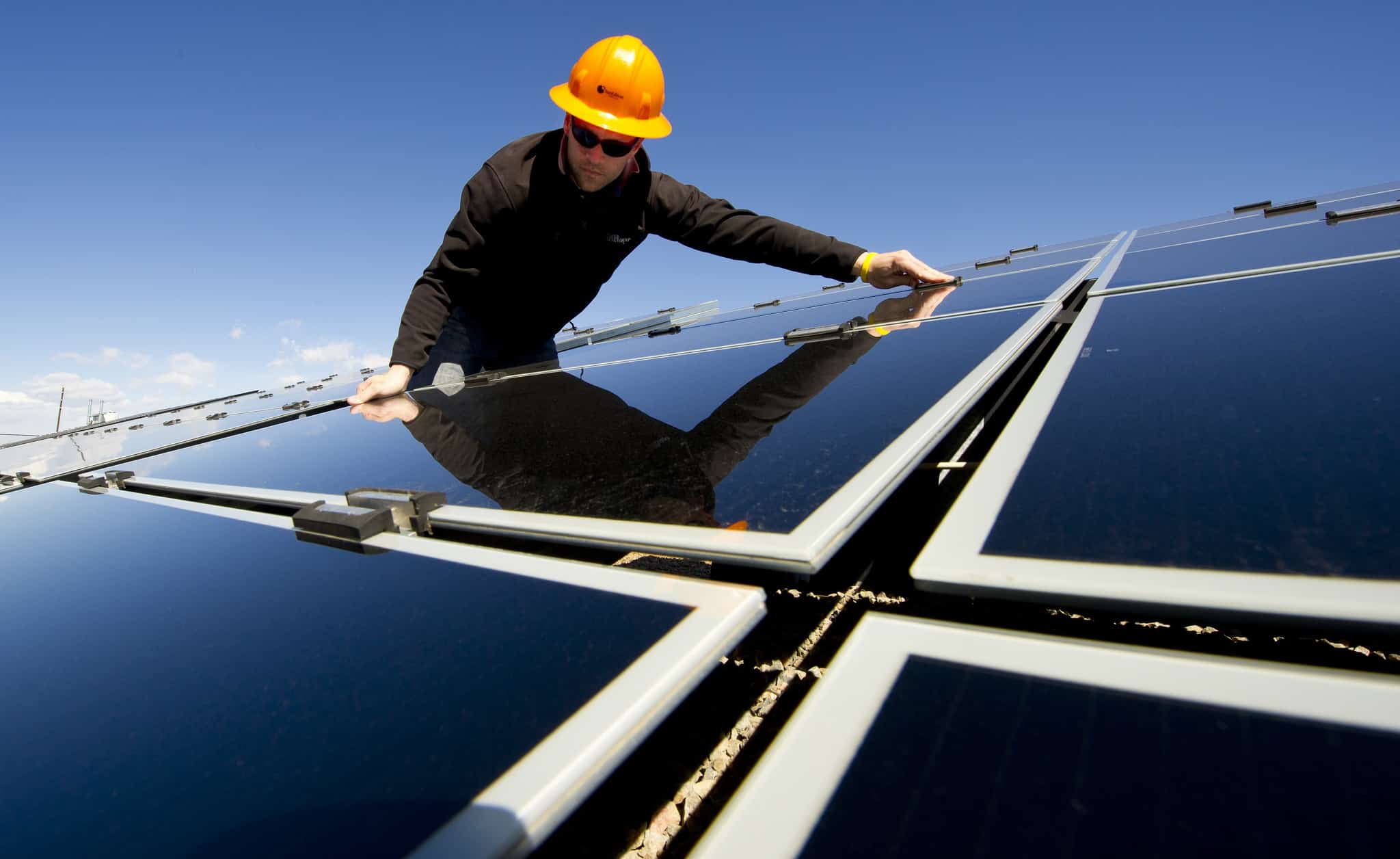
The Federal Emergency Management Agency (FEMA) obligated about $13.6 million for 14 renewable energy projects through hazard mitigation assistance programs from fiscal years 2022 through 2024, the most recent 3 years of available data. These projects included small-scale solar generation, such as rooftop solar panels, microgrids, or solar generators for backup power for communities or public buildings. For example, projects included solar panels for a hospital, a sheriff’s office, and a recreation center to provide backup power during outages. FEMA provided this funding through FEMA’s hazard mitigation assistance programs, which include the Hazard Mitigation Grant Program, Pre-Disaster Mitigation Congressionally Directed Spending, and Building Resilient Infrastructure and Communities program.
For these projects, FEMA generally required applicants to demonstrate the cost effectiveness of their projects through a benefit-cost analysis—a quantitative analysis comparing the project’s avoided future damage to the costs over the project lifetime. Under federal laws and FEMA policy, only cost-effective hazard mitigation activities are eligible for funding from FEMA’s Hazard Mitigation Grant Program, Pre-Disaster Mitigation Congressionally Directed Spending, and Building Resilient Infrastructure and Communities program. FEMA provides applicants with a benefit-cost analysis toolkit to assist applicants with conducting benefit-cost analyses. GAO reported on the challenges applicants face performing a benefit-cost analysis, including the amount of resources and data needed, as well as steps FEMA was taking to make completing benefit-cost analyses easier for state and local jurisdictions.
Why GAO Did This Study
Natural hazards can damage energy and other infrastructure—including renewable energy—and pose threats to the reliability of the electricity grid. Specifically, extreme weather events have been the principal contributors to an increase in the frequency and duration of power outages in the United States. Power outages can affect residential, commercial, industrial, and other customers’ ability to use electricity for lighting, heating, cooling, refrigeration, public transportation, and other daily needs.
FEMA manages several assistance programs that can be used to fund projects to mitigate the impacts of natural hazards. These can include renewable energy projects, such as microgrids or backup power, to minimize the impact of power outages.
This report examines what funding FEMA has provided for renewable energy projects from fiscal years 2022 through 2024, and what FEMA requires from applicants to demonstrate cost effectiveness of projects. To do this work, GAO reviewed relevant legal requirements, FEMA data, FEMA program policies and guidance, and prior GAO reports. GAO also interviewed FEMA and Department of Energy officials and selected stakeholders knowledgeable about the role of renewable energy in hazard mitigation and FEMA funding.
Read the full GAO report here.