



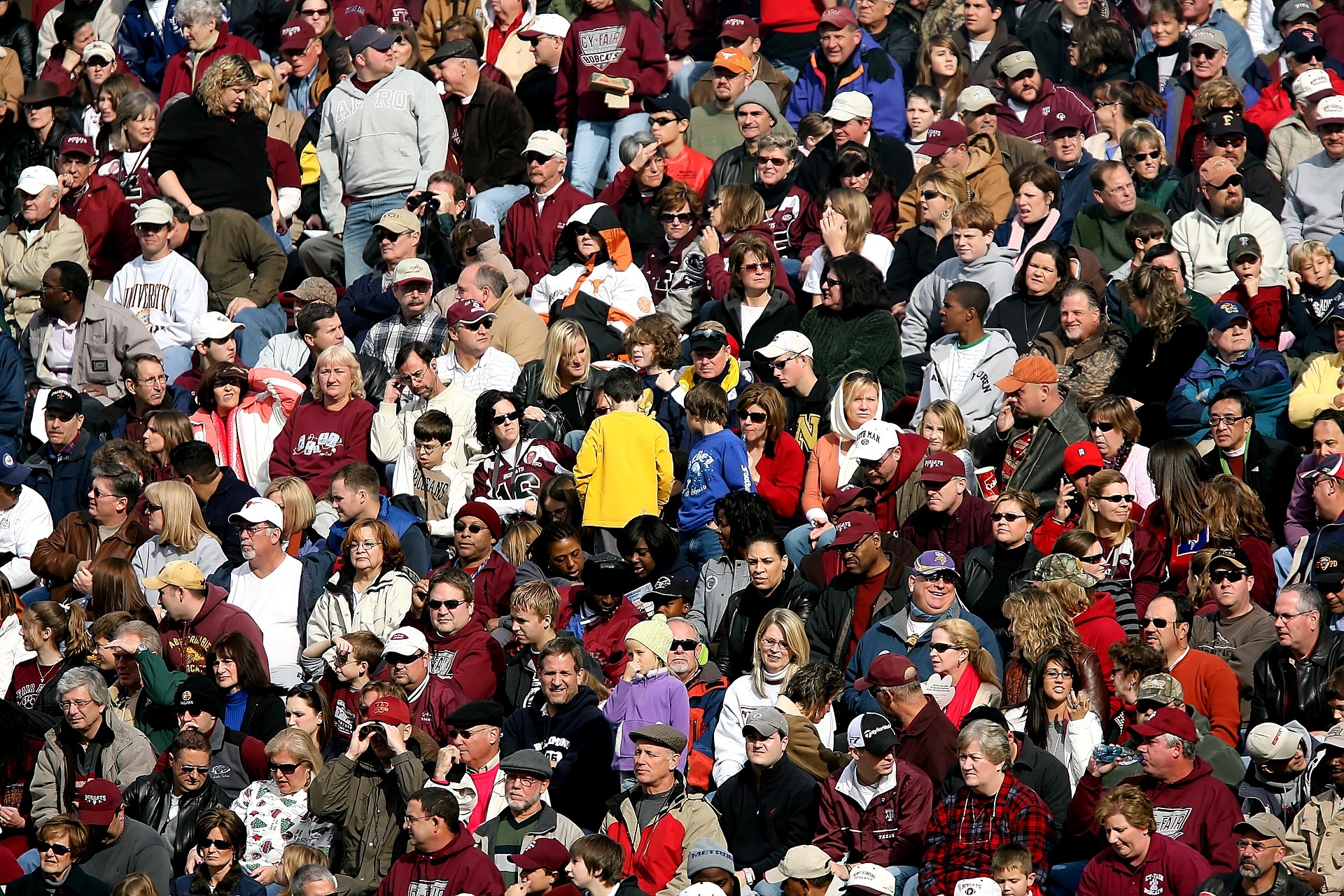
U.S. large-scale outdoor events in 2026 such as the FIFA® World Cup matches (plus fan events, practices, viewing parties and more), the Macy’s® and other 4th of July Fireworks show, and Sail4th 250 will attract massive crowds and international attention. While these celebrations foster community and showcase national pride of multiple countries, they also present unique consequence management and homeland security challenges and risks, including crowd control, kinetic technological threats, severe weather, and accidents. Public Information Officers (PIOs) play a critical role in mitigating these threats and hazards through effective communication, coordination, and public engagement before, during, and after events occur.
Key Responsibilities of Public Information Officers
- Risk Communication: PIOs inform the public and stakeholders about potential hazards, safety protocols, and emergency procedures before, during, and after all of these events. Timely and accurate information helps reduce confusion, panic, and misinformation.
- Media Coordination: PIOs serve as the official spokespersons, ensuring the media receives correct and consistent information. This prevents the spread of rumors and ensures the public remains informed through trusted channels.
- Public Education: Prior to the event, PIOs may develop educational campaigns on topics such as sheltering-in-place, evacuation procedures, prohibited items, and how to report suspicious activity. These campaigns can be disseminated through social media, press releases, and event signage. And for 2026’s events, those crisis communications need to be in multiple languages and accessible formats.
- Real-Time Updates: During large scale events – especially those which have received a Special Event Assessment Rating – PIOs collaborate through a Joint Information Center (JIC) to provide real-time updates on weather conditions, security/safety incidents, or changes to the event schedule. This enables attendees to make informed decisions and follow safety instructions promptly.
- Crisis Communication Planning: PIOs participate in planning exercises, develop communication protocols, and coordinate with law enforcement and other emergency services groups, emergency management, and event organizers to ensure a unified response.
Strategies for Threat and Hazard Mitigation
- Pre-Event Preparation:
- Develop and rehearse communication plans for various scenarios (e.g., severe weather, security threats, lost children).
- Coordinate with local authorities, emergency management, and event organizers to establish clear roles and responsibilities.
- Prepare pre-scripted messages in multiple languages for anticipated incidents to expedite information dissemination.
- Multi-Channel Communication:
- Utilize multiple platforms (social media, mobile alerts, press conferences, public address systems) to reach diverse audiences, including international visitors.
- Ensure accessibility by providing information in multiple languages and formats for people with disabilities.
- Monitoring and Rumor Control:
- Monitor social media and news outlets for emerging threats or misinformation.
- Respond quickly to rumors or false reports to maintain public trust and prevent unnecessary panic.
- Stakeholder Engagement:
- Work closely with law enforcement, first responders, emergency management, and community leaders to ensure consistent messaging.
- Facilitate two-way communication by enabling attendees to report concerns or emergencies.
- Post-Event Communication:
- Provide after-action information, such as lost and found procedures, incident summaries, and lessons learned.
- Gather feedback from attendees and partners to improve future event safety and communication plans.
Public Information Officers are essential to the safety and success of large-scale outdoor events. Through strategic communication, coordination with partners, and proactive engagement with the public, PIOs help mitigate threats and hazards, ensuring that events like the FIFA World Cup, 4th of July Fireworks, and Sail4th 250 remain enjoyable, safe, and secure for all participants.
The International Association of Emergency Managers – USA and the Emergency Management External Affairs Association will host a web panel discussion on PIOs and Large-Scale Outdoor Events on February 24, 2026 at 7pm Eastern. Click here to join EMEAA and/or here to join IAEM any time prior to Feb 21 in order to receive free admission to this exciting event.