
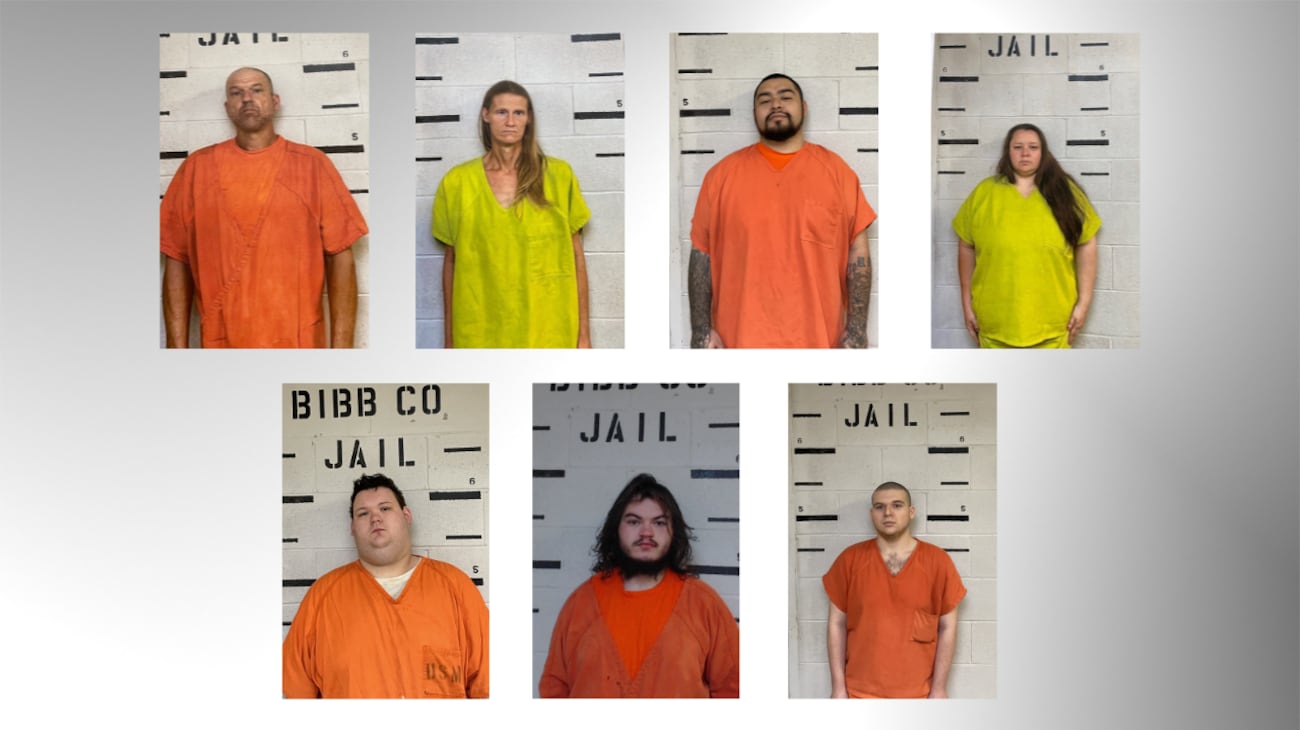
When authorities in Brent, Alabama, uncovered an underground storm shelter where children as young as two were sexually abused and trafficked, the nation was shocked. Seven suspects, including some of the victims’ parents, were charged with horrific crimes. This investigation involves at least 10 children victims, although it is likely that there are more victims and more suspects as the sex trafficking operation is believed to have begun in 2022. The case raised an unsettling question: How could such evil operate undetected for so long in a small, close-knit community?
- Red Flags Were There—But They Were Ignored
Teachers and school staff repeatedly reported warning signs: chronic absenteeism, poor hygiene, developmental delays, and behavioral red flags. Child welfare workers filed petitions to remove children from unsafe environments, only to see cases dismissed and children returned home. Despite these alarms, intervention never came soon enough. The system failed to connect the dots until it was far too late.
- Rural Isolation and the Illusion of Safety
Bibb County’s rural landscape, marked by deep poverty, created a perfect storm for exploitation. As small-town neighbors assume they know one another, suspicious activities can easily be swept into the background in isolated areas. Poverty further increases vulnerability—families struggling to survive often lack the resources, support, or advocacy to break cycles of abuse.
- Abuse Hidden Behind Family Walls
In this case, several perpetrators were family members of the victims. When trusted adults perpetrate abuse, communities often look the other way. People avoid asking hard questions about what’s happening inside someone’s home. The familiarity of family ties becomes a shield for predators, making it harder for outsiders to intervene.
Photo of underground bunker in Brent, Alabama (Source: Bibb County Sheriff’s Office)
- Systemic Failures Compounded the Danger
Reports were made, but they weren’t acted upon effectively. Caseworkers who raised alarms saw their petitions dismissed, leaving children vulnerable. Law enforcement and child welfare agencies operated in silos, with critical information slipping through the cracks. Only when one caseworker persisted did the investigation expose the full scale of abuse.
- Community Denial: “It Couldn’t Happen Here”
Many residents could not reconcile the horrors uncovered with their perception of their town. Denial became a form of protection. A local minister initially rejected the idea that such evil could exist in Brent, while other community leaders feared acknowledging the abuse would bring shame. This reluctance to confront uncomfortable truths created fertile ground for predators to operate unnoticed.
What This Case Teaches Us
This tragedy reveals a stark reality: human trafficking does not thrive only in big cities or online chat rooms—it can flourish anywhere that silence and denial reign. The Alabama bunker case is a call to action:
- For educators and social workers: reports must be followed through with urgency, not dismissed as routine.
- For law enforcement: better collaboration with child welfare agencies is critical.
- For communities: vigilance and courage are essential. Looking away is no longer an option.
The abuse persisted because too many people – teachers, agencies, neighbors – either missed the signs or chose not to see them. To prevent the next case of child sexual abuse and trafficking, communities must replace denial with awareness, silence with action. To do anything else is to enable the predators. True change requires the courage to confront even the most difficult truths.