

It comes as no surprise that the number of international visitors to the United States is on the decline. This is one of the reasons our friendly nations need to invest more in biometric passports to qualify as a visa waiver country. Foreign visitors to Las Vegas alone declined 13% in June; visitors from the UK are down 15% and German visitors are down 28%. It is also estimated that foreign students to our universities may be down 150,000 students which means a potential loss of revenue of $7 billion.
Some blame this on the stricter enforcement of our immigration laws and others see the decline as the result of the U.S. distancing ourselves from our allies. But the truth is that the United States is the place people want to visit and explore and attend our institutions of learning. And most importantly, the United States should not retreat from insisting that our visitors follow the law and be vetted for security reasons.
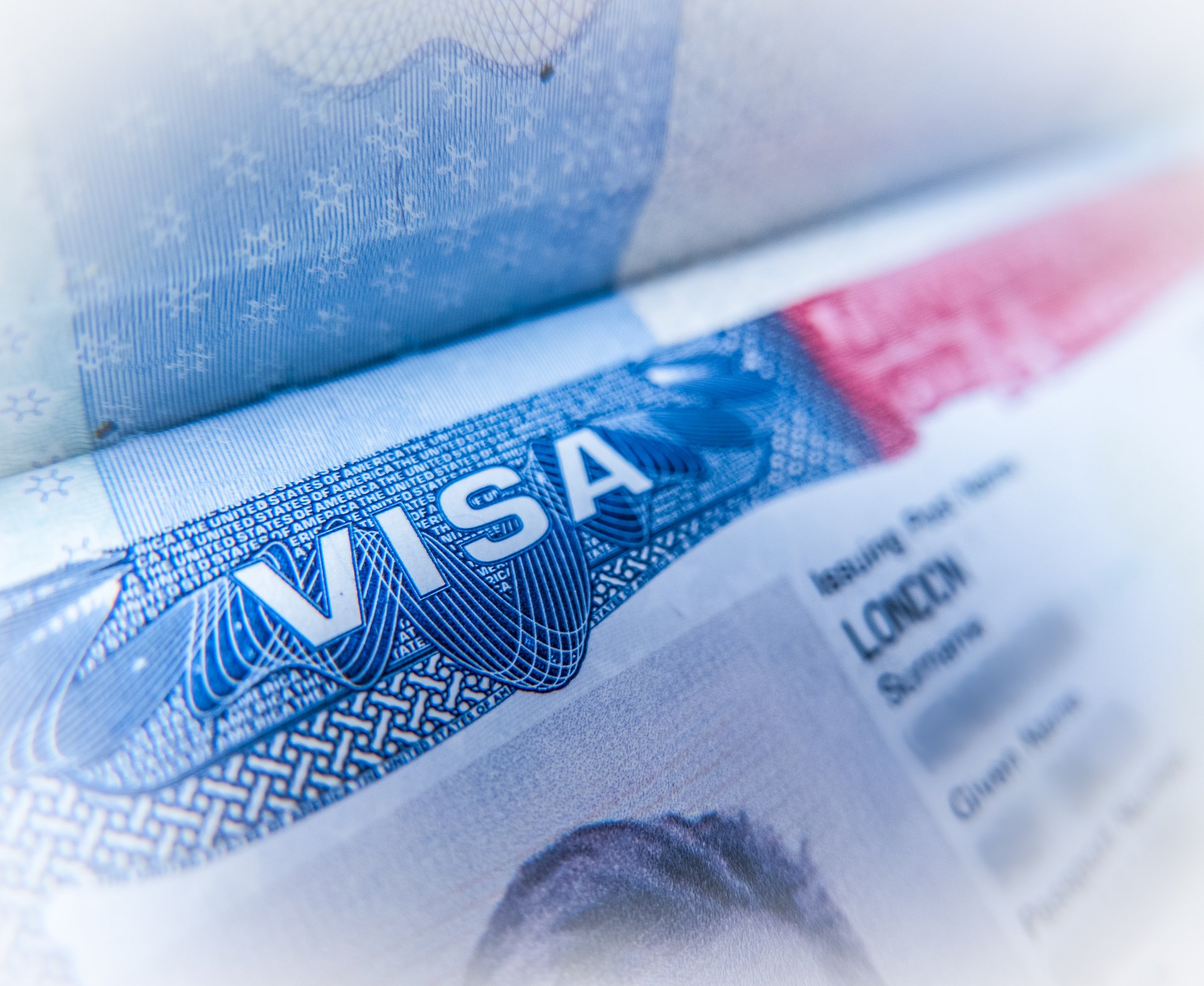
There is a solution – one that will make it easier for international visitors to come to the United States. If our foreign partners show they have secure travel documents that can be trusted and have a low visa refusal rate then the international travelers from that country can freely travel to the United States without the time-consuming process of getting a visa. It is called the visa waiver program and if more countries take the initiative then more travelers will safely and securely visit the United States.
The U.S. Visa Waiver Program (VWP) allows citizens of 40 participating countries to travel to the United States for tourism or business without obtaining a traditional visa, provided their stay does not exceed 90 days. Administered by the Department of Homeland Security in consultation with the State Department, the program is designed to facilitate legitimate travel, promote international commerce, and strengthen diplomatic ties, while maintaining rigorous security standards.
Travelers must obtain prior electronic authorization through the Electronic System for Travel Authorization (ESTA), which screens applicants against security databases before permitting entry. VWP countries are required to meet strict criteria, including enhanced passport security, law enforcement cooperation, and counterterrorism measures. The program underscores a balance between openness and security, making it easier for millions of visitors to enter the United States each year while safeguarding the homeland against potential threats.
As the first in history Undersecretary for the newly created Department of Homeland Security, I have seen first hand how countries value being among the nations that meet the strict criteria to be a visa waiver country. Right now, all members of the European Union have visa waiver privileges except Romania, Cyprus and Bulgaria. Each country is working on meeting the strict criteria which includes (a) having less than a 3% visa refusal rate; (b) accepting the repatriation of its citizens ordered removed from the U.S.; (c) cooperating with the U.S. on sharing stolen passport information and terrorism intelligence; and, (d) having the capability to issue electronic, machine-readable passports with biometric identifiers.
This last requirement – to have biometric identifiers on passports – has proven to be one of the most challenging qualifications to meet and it is where countries need to invest more and overcome the technology barrier that is absolutely essential for a secure world. Romania and Cyprus are likely to meet all the requirements soon but Bulgaria lags behind.
In March of this year, I travelled to Bulgaria and it is a beautiful country and an ally of the United States. It is geographically close to Russia but wants closer ties to the U.S. from the purchase of energy to the exchange of travel. I know that Bulgaria has been working on this biometric passport identifiers requirement for years and they are making enormous strides. Yet without additional investment, they are not likely to meet all of the visa waiver requirements even by 2026.
If Cyprus, Romania and Bulgaria qualify, and as other nations follow suit, then international travelers will once again enjoy visiting the United States and the U.S. will be more secure because of their success.
