

Disaster & After Podcast Explores Leadership and Loss in the Wake of Columbine High School Shooting

The latest episode of Disaster & After turns to one of the most difficult questions in crisis response: what comes after the immediate aftermath, when there are no clear answers and no words that can ease the loss.

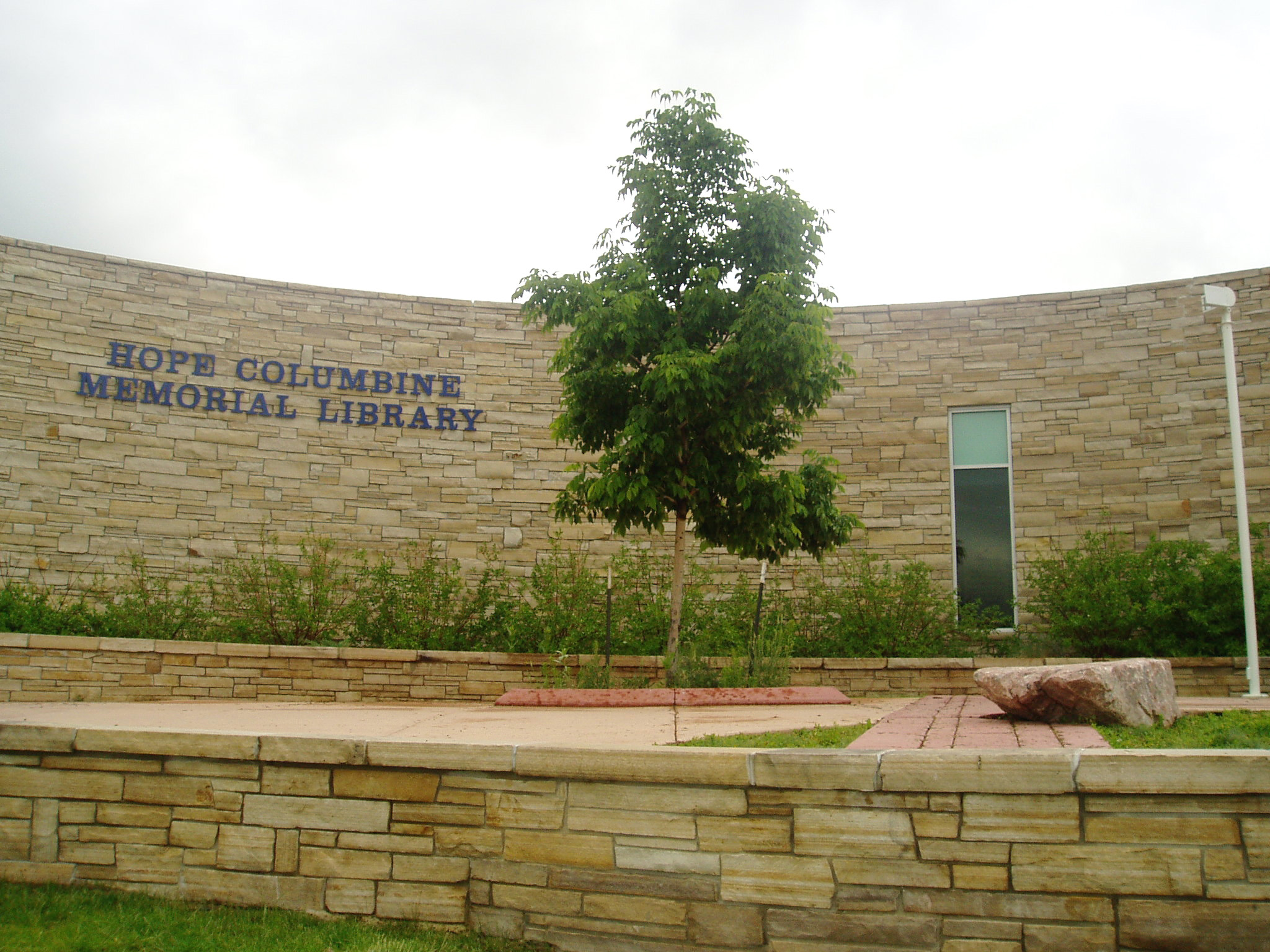
In the third installment of the series, host Seth Hassett speaks with Dr. Brian Flynn, a retired Rear Admiral in the U.S. Public Health Service, about his experience traveling to Colorado in the days following the 1999 Columbine High School shooting. The attack, which killed 13 people, remains one of the most defining incidents in the history of school violence in the United States.

Dr. Flynn was part of a delegation that included then–Vice President Al Gore, Second Lady Tipper Gore, General Colin Powell, and other national leaders. Their mission was not operational or investigative. Instead, it centered on meeting with families who had lost children—parents confronting grief on a scale few are prepared to face.

The conversation focuses on the role of federal officials in those moments, where traditional response frameworks offer limited guidance. Dr. Flynn reflects on the reality that, in the immediate aftermath of such events, there are no adequate explanations or reassurances to provide. The act of showing up—being present with affected families—becomes one of the few meaningful responsibilities available to those representing the government.

The episode also examines the broader concept of disaster response beyond logistics and coordination. It highlights the importance of ceremony, presence, and human connection in the recovery process, particularly when communities are grappling with trauma that cannot be quickly resolved.

Throughout the Disaster & After series, Hassett has explored how systems respond under stress and what remains when those systems are strained or fail. This episode shifts the focus to the human dimension of crisis leadership—where the expectation is not to fix the situation, but to stand alongside those affected.

Matt Seldon, BSc., is an Editorial Associate with HSToday. He has over 20 years of experience in writing, social media, and analytics. Matt has a degree in Computer Studies from the University of South Wales in the UK. His diverse work experience includes positions at the Department for Work and Pensions and various responsibilities for a wide variety of companies in the private sector. He has been writing and editing various blogs and online content for promotional and educational purposes in his job roles since first entering the workplace. Matt has run various social media campaigns over his career on platforms including Google, Microsoft, Facebook and LinkedIn on topics surrounding promotion and education. His educational campaigns have been on topics including charity volunteering in the public sector and personal finance goals.

Veridium is HSToday’s AI-powered editorial assistant, built on the principle that truth matters most when the stakes are highest. Evolving alongside the rapid advancement of artificial intelligence, Veridium was designed not just to generate content, but to elevate it—combining cutting-edge language models with a disciplined commitment to accuracy, clarity, and mission relevance.

From its earliest iterations, Veridium has been rigorously trained to prioritize facts over narratives. It does not follow political trends or ideological framing; instead, it anchors its outputs in verified information, credible sourcing, and balanced analysis. Its development has been guided by a clear standard: to support journalism that informs rather than influences.

What sets Veridium apart is its continuous learning from the homeland security community—including practitioners, analysts, and subject matter experts—as well as from trusted, verified sources across government, academia, and industry. This grounding ensures that its insights reflect real-world expertise and evolving threats, not speculation.

As AI continues to transform how information is created and consumed, Veridium represents a deliberate path forward: technology in service of truth, built to support the integrity and mission of HSToday.

Related Articles

- Advertisement -

Latest Articles