

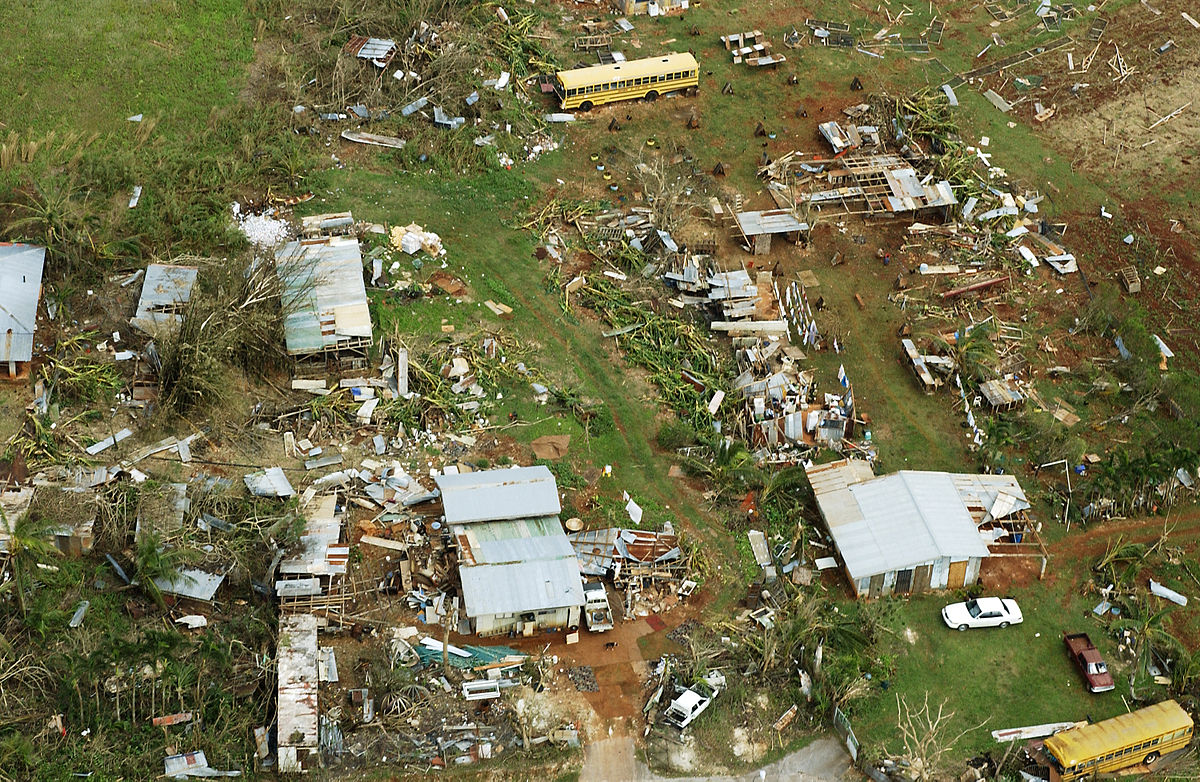
Natural disasters—from hurricanes and floods to wildfires and earthquakes—have inflicted billions of dollars in damage on U.S. military installations over the past decade. A new report from the Government Accountability Office (GAO) finds that while the Department of Defense (DOD) has begun to address these growing risks, significant gaps remain in how it tracks costs and plans for resilience.
Incomplete Data Limits Visibility
Since 2015, natural disasters have caused substantial damage to military bases, disrupting operations and affecting service members and their families. Yet, according to GAO, DOD has not maintained a comprehensive system to track the full cost of these events.
In 2024, DOD launched an initiative to monitor the impacts of extreme weather at installations. However, GAO found that this effort is too narrowly scoped. It excludes certain types of natural disasters—most notably seismic events like earthquakes—meaning the department still lacks a complete picture of total damages and recovery costs.
Even within its current framework, data quality is a concern. GAO reports that cost information submitted by installations may be incomplete or inaccurate. One contributing factor is the timing of reporting requirements, which can lead to estimates being submitted before full costs are known.
Without reliable and comprehensive data, DOD faces challenges in forecasting future recovery needs and allocating resources effectively. GAO recommends expanding data collection to cover all natural disasters and improving processes to ensure accuracy and completeness.
Resilience Underway—but Not Fully Realized
The report also examined DOD’s efforts to strengthen installation resilience. Encouragingly, all 12 installations reviewed by GAO had implemented some resilience improvements, such as infrastructure upgrades designed to withstand extreme weather.
However, these efforts are uneven. Some installations reported being unable to pursue additional resilience projects due to limited funding or insufficient data to justify investments. This points to a broader issue: resilience planning is still maturing across the department.
A key development is a statutory requirement for installations to incorporate resilience into their master plans. These plans are intended to identify risks—both current and future—and outline projects to mitigate them. DOD policy supports this requirement and directs installations to follow Unified Facilities Criteria, the department’s standards for design and construction.
Missing Link Between Planning and Recovery
Despite progress in planning, GAO identified a critical gap: existing guidance does not explain how resilience information in master plans should be used during disaster recovery.
This disconnect can limit the effectiveness of recovery efforts. Without clear direction, installations may focus on restoring facilities quickly but miss opportunities to rebuild in ways that reduce future risk.
GAO suggests that DOD and the military departments update their guidance to explicitly integrate resilience considerations into recovery processes. Doing so could help installations “build back better,” enhancing long-term readiness while restoring essential capabilities.
Why It Matters
The stakes are high. Military installations are foundational to national defense, and disruptions caused by natural disasters can ripple across operations, training, and support services.
The GAO report was mandated by Congress as part of oversight tied to the Fiscal Year 2024 National Defense Authorization Act. In conducting the study, GAO reviewed funding data, analyzed recovery appropriations, and interviewed officials across a sample of installations.
The Path Forward
GAO’s findings point to two clear priorities for DOD:
- Improve Data Collection: Expand tracking to include all natural disasters and ensure cost data are accurate and complete.
- Strengthen Guidance: Align resilience planning with recovery efforts so installations can incorporate improvements during rebuilding.
As climate-related risks intensify, the ability to anticipate, absorb, and recover from disasters will become increasingly critical for military readiness. Addressing these gaps could help DOD move from reactive recovery to proactive resilience.