

A new analysis published by War on the Rocks examines what the United States has learned from more than two decades of counterterrorism operations following the September 11, 2001, attacks, and argues that tactical innovation has not always translated into strategic success.
In “What Have We Learned from the 9/11 Wars? Not Nearly Enough,” author Jonathan Schroden reflects on the upcoming 25th anniversary of the 9/11 attacks and the five-year anniversary of the U.S. withdrawal from Afghanistan. The analysis examines lessons from the Afghanistan war and other post-9/11 conflicts, focusing on the relationship between technology, military operations, and the complexities of human networks.
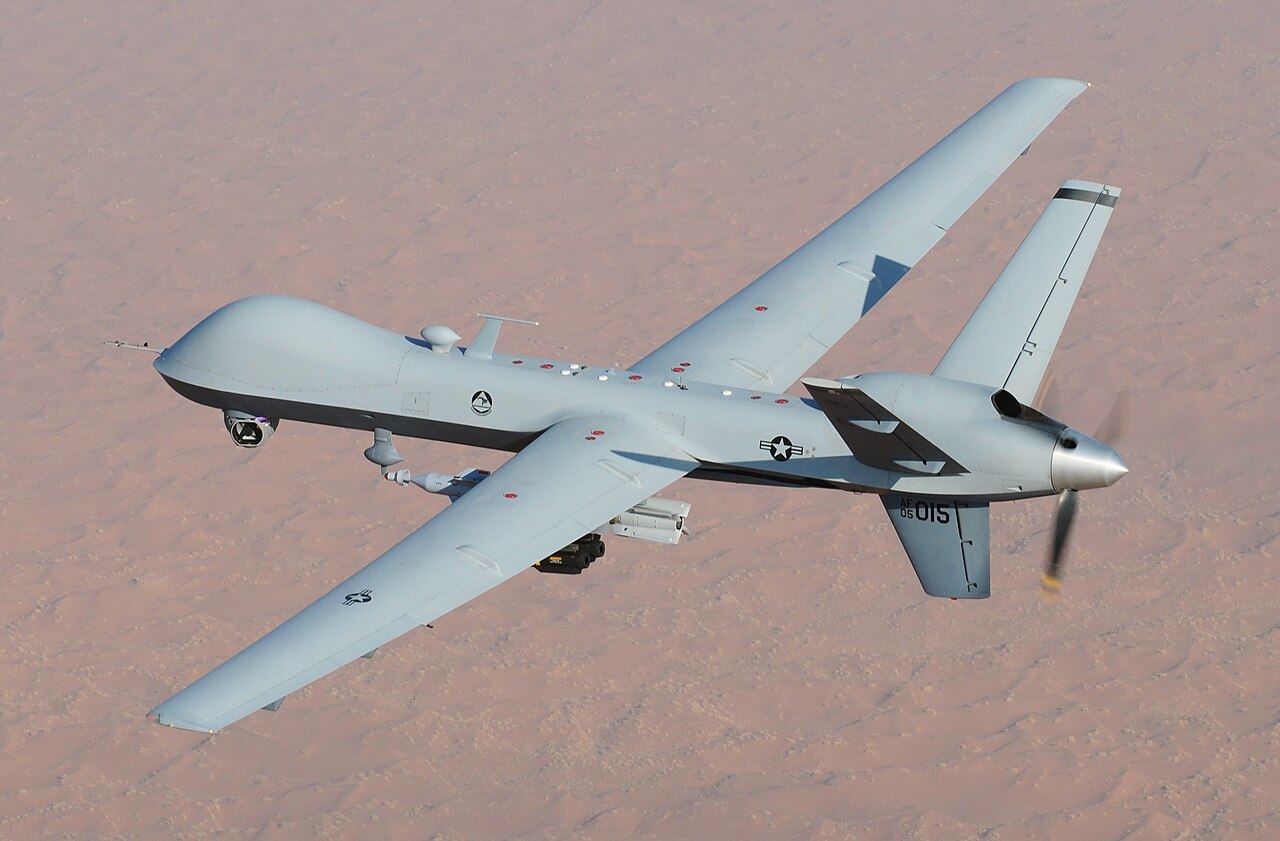
Schroden highlights the U.S. military’s ability to rapidly adapt and innovate during the Afghanistan conflict, particularly through advances in unmanned aircraft, intelligence collection, data processing, and information-sharing capabilities. The analysis notes that these developments significantly expanded the ability of U.S. forces to collect and analyze intelligence in support of military operations.
The article examines the evolution of the “Find-Fix-Finish-Exploit-Analyze-Disseminate” targeting cycle, which combined intelligence collection with military operations. Schroden writes that this approach helped accelerate the pace of raids and strikes, but argues that an operational model focused heavily on targeting and attrition faced challenges when applied against resilient human networks.
A central theme of the analysis is the distinction between defeating physical systems and influencing human organizations. Schroden argues that approaches designed around removing individuals or disrupting physical networks may not produce the same effects when applied to groups that are decentralized, adaptive, and socially connected.
The article also discusses the role of emerging technologies, including artificial intelligence and unmanned systems, in current military operations. Schroden examines how these tools are being used to improve intelligence analysis, targeting, and operational speed while questioning whether technological advantages alone can deliver strategic outcomes.
The analysis concludes by calling for broader examination of how the United States approaches warfare, including the balance between military force, diplomacy, influence efforts, and understanding human networks. Schroden argues that future reforms should look beyond individual agencies and consider larger changes to how the government plans and conducts operations.