

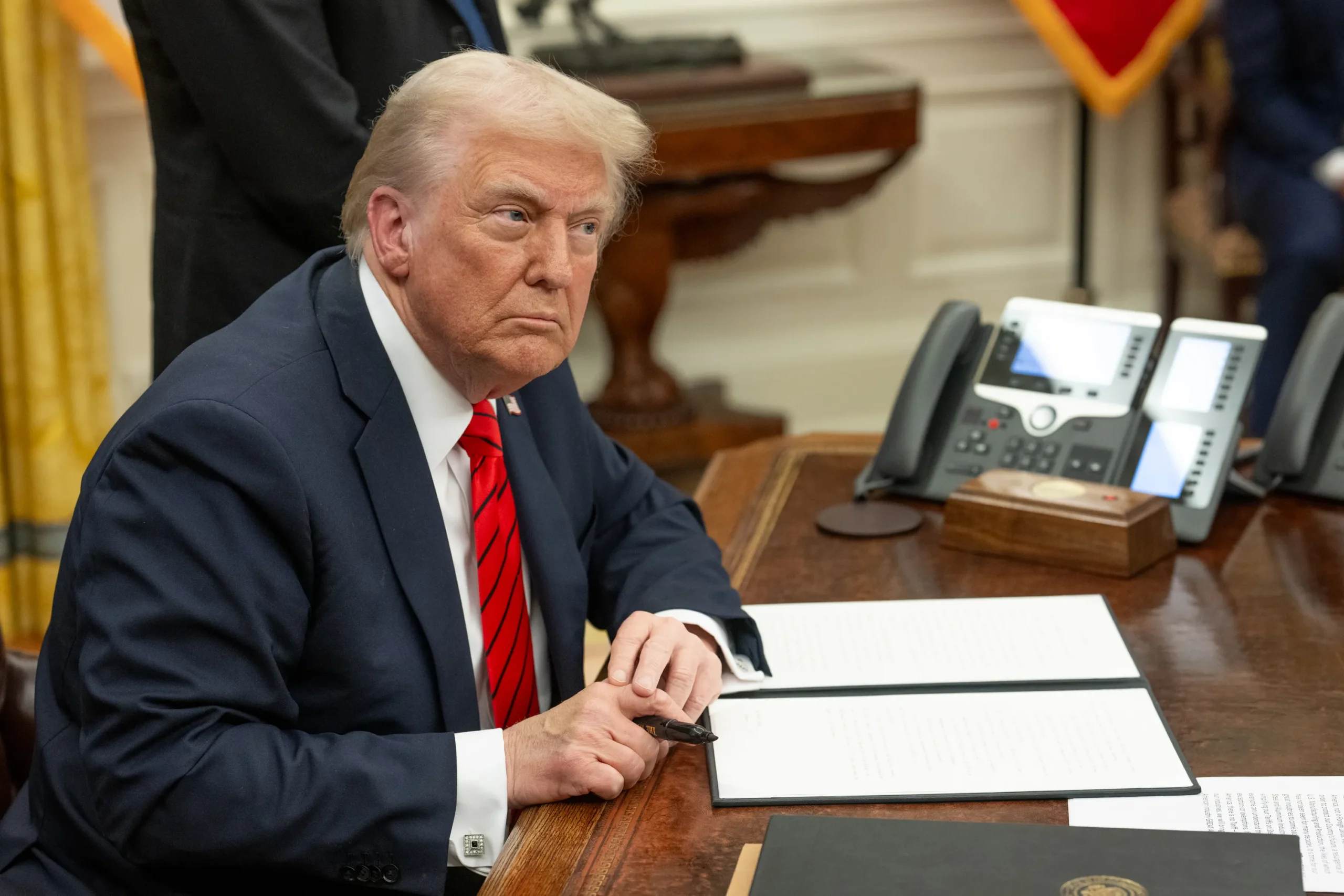
President Donald Trump has signed a new Executive Order directing the Department of Homeland Security (DHS) and U.S. Customs and Border Protection (CBP) to implement a broad set of reforms aimed at strengthening customs enforcement, increasing importer accountability, and combating duty evasion.
According to the White House, the order focuses on modernizing customs processes and addressing compliance challenges that officials say have allowed some importers to evade duties and other federal requirements. The reforms will be implemented through the federal rulemaking process, giving affected businesses and stakeholders time to adjust before new requirements take effect.
“CBP stands ready to enforce this Executive Order,” said CBP Commissioner Rodney Scott. “Importing into the U.S. has for too long been treated as a right and not a privilege. CBP will execute the priorities in this Executive Order and by doing so we will fortify our trading border just as we have done with our physical border.”
Among the changes directed by the order are stricter requirements for importers of record (IORs), the entities legally responsible for ensuring imported goods comply with U.S. laws and regulations. DHS and CBP are instructed to increase bonding requirements, require importers to maintain minimum levels of domestic assets or financial security, and establish enhanced vetting procedures for individuals and organizations involved in importing goods into the United States.
The order also calls for heightened requirements for foreign importers of record. Under the directive, only U.S.-based importers would be permitted to file informal entry transactions, while all importers would be subject to a new “good standing” requirement.
“This Executive Order helps CBP better detect when bad trade actors try to break the rules,” said CBP Office of Trade Executive Assistant Commissioner Susan S. Thomas. “These are major advances in protecting our revenue and increasing supply chain transparency—both critical to ensuring fairness for everyone and safeguarding our nation’s economic and national security.”
In addition, DHS and CBP are directed to establish new disclosure and certification requirements intended to strengthen compliance with customs laws and supply chain regulations. The order also seeks to increase enforcement by establishing a minimum penalty floor equal to 50% of assessed penalties for customs violations, limiting the agency’s discretion to reduce penalties in certain cases.
The administration is also directing DHS to improve the seizure and disposal process for non-compliant imports, including reducing regulatory barriers to voluntary abandonment of goods and expanding options for third-party disposal. The order further calls for increased transparency through annual customs enforcement reports and directs DHS to develop legislative proposals aimed at strengthening customs enforcement authorities.
From the border to trade, President Trump is protecting AMERICAN industry.
Today, he signed an Executive Order using advanced technology to strengthen customs enforcement – stopping contraband, illegal goods, & unfair imports.
America First, always. 🇺🇸 pic.twitter.com/Z9m6KWskFq
— The White House (@WhiteHouse) June 4, 2026
The White House said the reforms are intended to address what it described as longstanding weaknesses in customs enforcement, including compliance gaps, outdated processes, and enforcement challenges. Administration officials said the measures are designed to improve accountability, support lawful trade, ensure the collection of duties, and help prevent the importation of prohibited or unsafe goods.
“The Executive Order provides CBP with critical new tools and authorities to combat nefarious actors attempting to exploit our trade and cargo systems,” said CBP Office of Field Operations Executive Assistant Commissioner Diane J. Sabatino. “Our officers and import specialists are now better equipped to identify, interdict, and penalize those who threaten our economic security and national interests through illicit trade practices.”
The Executive Order builds on a series of trade and customs actions undertaken during Trump’s second term. The White House pointed to previous efforts targeting duty evasion, agreements with trading partners that include customs enforcement cooperation provisions, and actions related to the de minimis import exemption, which allows certain low-value shipments to enter the country with limited customs requirements.
Federal agencies will now begin the process of developing regulations and implementation plans required under the order, with many of the proposed changes expected to be subject to public comment and stakeholder review before taking effect.