
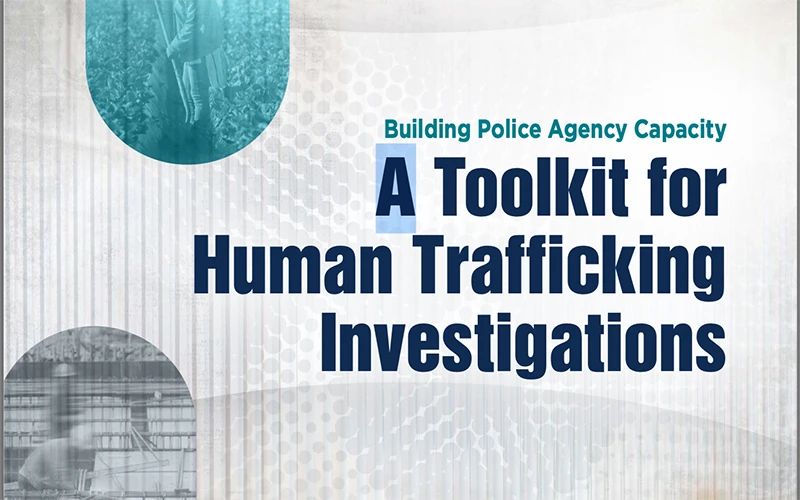
The International Association of Chiefs of Police (IACP) has unveiled a comprehensive online resource designed to bolster law enforcement capabilities in combatting human trafficking. The Building Police Agency Capacity: A Toolkit for Human Trafficking Investigations offers police agencies nationwide practical guidance for identifying victims, conducting trauma-informed investigations, and implementing victim-centered approaches.
The toolkit addresses a critical need in modern policing: equipping officers with specialized knowledge and resources to effectively respond to human trafficking cases while prioritizing victim welfare and support.
Comprehensive Resource for All Levels of Law Enforcement
Designed for police leaders, investigators, frontline officers, and supervisors, the toolkit organizes resources into three strategic categories to address different aspects of an agency’s anti-trafficking operations.
Assessment and Action Planning Tools help agencies evaluate their current capabilities and develop strategic improvements through a self-assessment framework and action planning guide specific to human trafficking response.
Organizational Tools provide policy templates and training development guidelines, enabling agencies to establish robust protocols for human trafficking investigations and ensure quality, relevant training for personnel.
Operational Tools include hands-on resources such as case report checklists and investigation tip sheets that officers can use directly in the field to ensure thorough, trauma-informed responses.
Developed Through Expert Collaboration
The toolkit reflects real-world expertise and practical experience. IACP developed these resources in partnership with subject matter experts and a project advisory group, incorporating input from six demonstration sites across the country: Arlington (Texas) Police Department, Glendale (Arizona) Police Department, Leon County (Florida) Sheriff’s Office, Mount Laurel (New Jersey) Police Department, North Carolina State Bureau of Investigation, and Portland (Oregon) Police Bureau.
This collaborative approach ensures the tools are both evidence-based and operationally practical for agencies of varying sizes and jurisdictions.
Emphasis on Victim-Centered Response
Central to the toolkit is its focus on trauma-informed, victim-centered investigation principles. These approaches recognize the complex trauma experienced by trafficking victims and prioritize their safety, dignity, and well-being throughout the investigative process. This methodology not only supports victims but can also strengthen cases by building trust and cooperation.
The toolkit is available now at the IACP’s website and represents a significant step forward in standardizing and improving law enforcement’s response to human trafficking across the nation.
For more information and to access the toolkit, click here.