An AV That Cannot Safely Interact With First Responders is a Danger to the General Public, Transportation Department Says
U.S. Department of Transportation’s National Highway Traffic Safety Administration (NHTSA) Administrator Jonathan Morrison has issued a public call to action to automated vehicle developers regarding a pattern of interference with first responders.
The call to action builds on NHTSA’s continuing efforts to ensure safety while removing barriers to American innovation. In the last few months, the agency has slashed redundant red tape, hosted the first-ever National AV Safety Forum, and announced efforts to create safety standards for AVs.
Click here to read the full letter.
Key excerpts include:
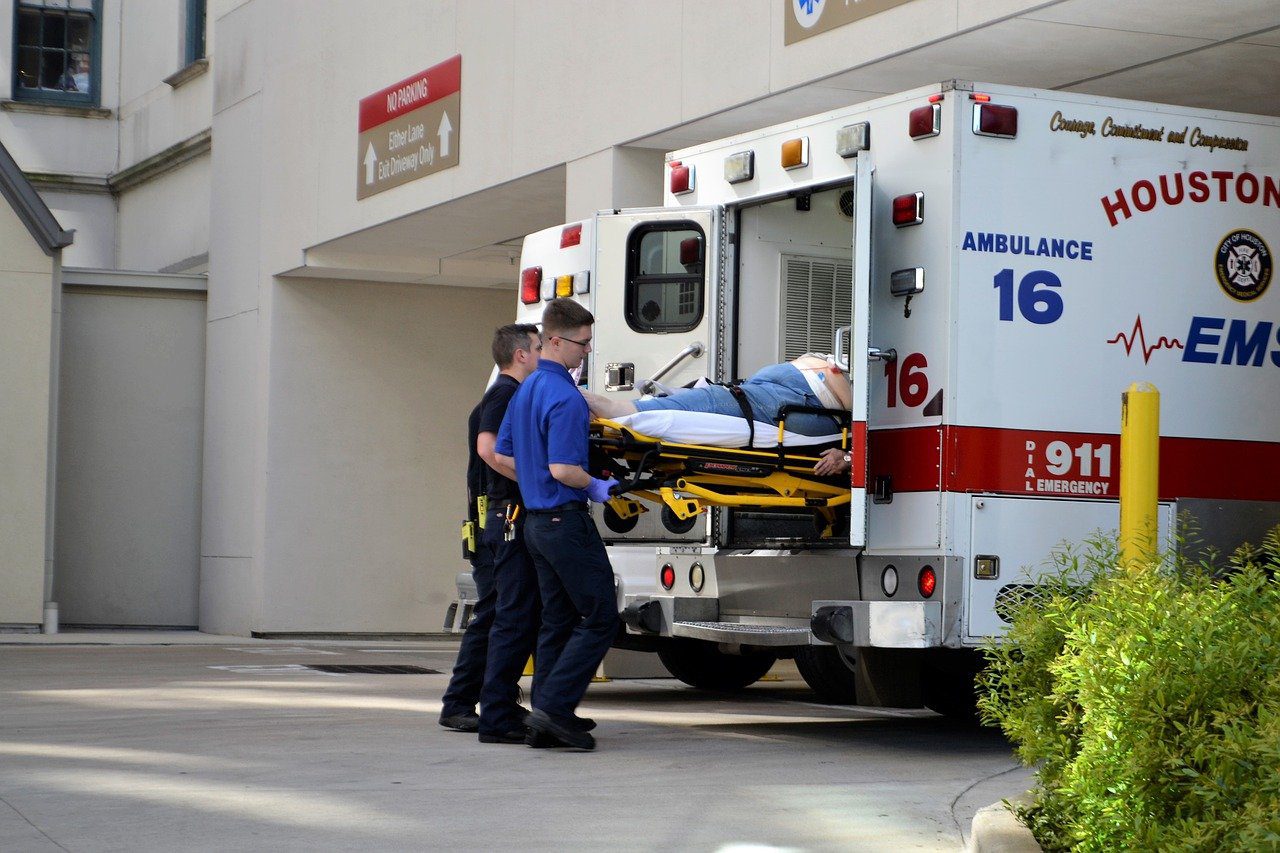
Over the past several months, NHTSA has identified a clear pattern of driverless AVs interfering with law enforcement and other first responders. The agency has documented multiple instances in which AVs drove directly into active emergency scenes, blocked the paths of ambulances and firefighters, or failed to recognize and respond to basic safety conditions like flashing lights, flares, smoke, fire, and traffic cones.
…
Every second matters when law enforcement officers, firefighters, or paramedics are answering a call because lives are on the line. That is why human drivers who impede these operations are subject to fines and even jail time.
…
NHTSA is today issuing a call to action for AV developers and operators to immediately focus their resources on fixing this issue.
…
We expect you to prioritize first responder interactions and will schedule meetings with driverless automated driving system developers by month’s end to hear your solutions. NHTSA has already been active in this space and will continue to exercise our enforcement authority for developers that do not address significant safety concerns. Public trust on our roads is earned, not given.
Progress Under the Trump Administration’s AV Framework
NHTSA recognizes and supports the immense potential of automated vehicle technology to reduce human error and improve safety on our nation’s roadways. Under Secretary Duffy’s leadership, the agency has:
- Modernized Safety Standards: Proposed updates to standards governing transmission shifting (102), windshield defrosting/wiping (103/104), tire placards (110), and braking systems (135). In addition, NHTSA announced the intention to update FMVSS for vehicle lighting (108), mirrors and rearview display (111), electronic stability control systems (126), and sun visors and warning labels (201/208). Once complete, individual vehicle exemptions may no longer be necessary. (For more, see the new 2026 Regulatory Plan and Unified Agenda.)
- National Competency Standards: Initiated development of the world’s first standards for AV performance that can meet the Vehicle Safety Act’s strict objectivity requirements.
- New Safety Guidance: Initiated drafting the first major federal safety guidance for AV developers since 2017, in collaboration with industry and safety experts.
- Improved Exemptions: Streamlined the Automated Vehicle Exemption Program (AVEP) and Part 555 exemption programs for demonstration and commercial fleets and expanded AVEP to include domestic vehicles.
The original announcement can be found here.