In every discussion we have regarding security awareness and preparedness advice for high-profile individuals and their families, we regularly find that everyone, and not just high-profile individuals, can benefit from the same practical security awareness habits to make their home, family, and daily routines safer.
When family and home security come up, the first question we ask is: Why do you feel increased security is necessary? Nearly every answer points to regular news coverage of security and safety incidents impacting families and homes. The people we speak with want to feel safe, but figuring out how to get there can sometimes feel overwhelming, especially for families, young adults, and children. Through thoughtful planning, simple habits, and shared commitment, families can significantly enhance their security with little or no disruption to their daily lives.
In this article, we offer practical, easy-to-understand steps for families focused on three areas: awareness, preparedness, and communication. These three principles work best when everyone, regardless of age, understands their role, contributes to the security environment, and feels confident, informed, and supported.
Awareness
Being aware of your surroundings is one of the easiest and most effective ways for families to stay safe. Awareness does not mean being anxious, on edge, or hypervigilant. Rather, awareness simply means paying attention to your environment and those around you. Being aware helps you identify when something does not look or feel right for the situation you are in.
Whether at home, at work, while attending school events, or at public gatherings, implementing small, easily repeatable habits can help you develop your security awareness, including:
Being mindful of who and what is around you.
Noticing entrances and exits when you arrive at a new location.
Avoiding distractions like constant phone use in busy places.
Consistently following awareness habits helps people understand their surroundings and recognize when something feels out of place, enabling them to respond more deliberately and calmly when necessary. When families implement and practice awareness habits together, they become second nature and help build family confidence.
Preparedness
Preparing your family and home for potential safety concerns takes some thoughtful planning, helping you focus your time and energy while encouraging open communication with your family. Otherwise, you may end up doing things without really knowing how they help keep your family safe.
A good place to begin is by assessing your surroundings and identifying potential threats, both natural and man-made, as well as any security gaps or hazards, such as poor exterior lighting or a broken door lock. This mirrors the first step taken by businesses and government agencies when developing risk mitigation strategies. Defining these risks allows you to prioritize and align your efforts to create a layered security environment that includes good habits, clear routines, and basic tools.
While there is no “one-size-fits-all” approach to home security, the goal is to figure out what works best for you and your family. Although professional assessments are an option, you can start by taking a careful look at your own home. A simple, structured review can help you see what’s in good shape, identify any gaps, and decide where improvements may be needed, including:
Are all doors and windows secure, and how are they secured?
Is exterior lighting sufficient to deter and detect activity?
Are there clear and accessible exit routes in an emergency?
Designating a family “safe room” or exterior meeting location if evacuation is necessary.
Communication
Finally, communication is key! Talking openly about safety and security helps everyone, especially children and teens, feel more prepared and less anxious, especially if they have been involved in the planning process. You might have a great home security plan, but if everyone doesn’t understand it, putting it into action can be difficult. Calmly talking through and practicing simple “what if” scenarios, like using a safe room or leaving the house safely, helps everyone feel confident and prepared, so no one feels alone in a stressful situation.
When children and teens are included in age-appropriate discussions, they are far more likely to follow, support, and even help reinforce your layered security plan. Such conversations include:
Why security awareness matters at home and when out in public
How cybersecurity and limiting information sharing can help protect the family
What to do if someone enters the home uninvited
Where to go and who to contact in an emergency
Putting Planning into Practice – and Do I Need a Security System?
Involving everyone in the family in home security is essential. Different perspectives can reveal vulnerabilities that might otherwise be missed. Even more importantly, working together builds awareness, accountability, and a shared commitment to keeping the family safe.
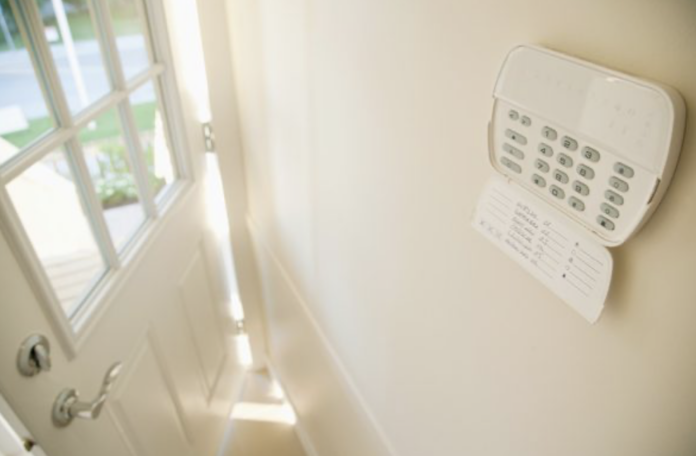
Many families choose to add electronic security features to their home, like 24-hour monitored alarms, video doorbells, motion-activated cameras, and exterior lighting that turns on at dusk. These tools can be helpful, but they should supplement, not replace, basic security practices.
Simple, reliable habits, like locking doors and windows, staying aware of your surroundings, and making sure everyone knows what to do in an emergency, remain the most effective. Combining these habits with security tools, such as an alarm system or a designated “safe room,” can strengthen your home’s protection, but only if everyone understands and uses them consistently.
It is important to note that home security systems can also include your neighbors. Neighbors often notice unusual activity, especially when you are away, and can serve as an extra set of eyes and awareness for your home.
Security in an Increasingly Digital World
A layered security plan is effective only when applied consistently in daily routines, which includes online behaviors. In today’s digital environment, where information is widely accessible, digital practices must be considered an integral part of your overall security strategy. Limiting what others know about your family’s activities adds an important layer of protection. Oversharing personal details online, like photos of your children, your home, or your daily routines, can unintentionally create vulnerabilities and signal when your home may be unoccupied or who might be perceived as an “easy” target.
For example, consider:
Limiting the amount of information shared publicly, keeping home details private
Regularly review and update social media privacy settings and change passwords
Avoiding real-time posts about travel or events
Securing home internet access and updating security software regularly
It is especially important to be thoughtful when sharing photos, schedules, school information, and travel plans. One of the simplest and most effective ways to reduce risk is to wait to post until after returning home.
In addition, use caution with location sharing and geotagging. The information generated through these features can allow others to develop insight into your routines, movements, and potential vulnerabilities over time.
Ultimately, the guiding principle is simple: be selective about what you share, and when you share it. Individuals with malicious intent routinely use publicly available information to build detailed profiles and carry out targeted social engineering or spear-phishing attacks.
Conclusion
There is no one-size-fits-all solution to home security. The goal is to create a plan that fits your family’s unique situation. At its heart, an effective home safety strategy is a team effort, layering good habits, clear routines, and practical tools to build a safer, more resilient environment. As we’ve outlined, awareness, preparedness, and open communication form the foundation of effective home and family security. Whether you’re just starting to think about protecting your family or have been doing so for years, these principles remain constant. ❦
If you have questions or would like more information and resources,
we invite you to visit us at www.soterient.com.