

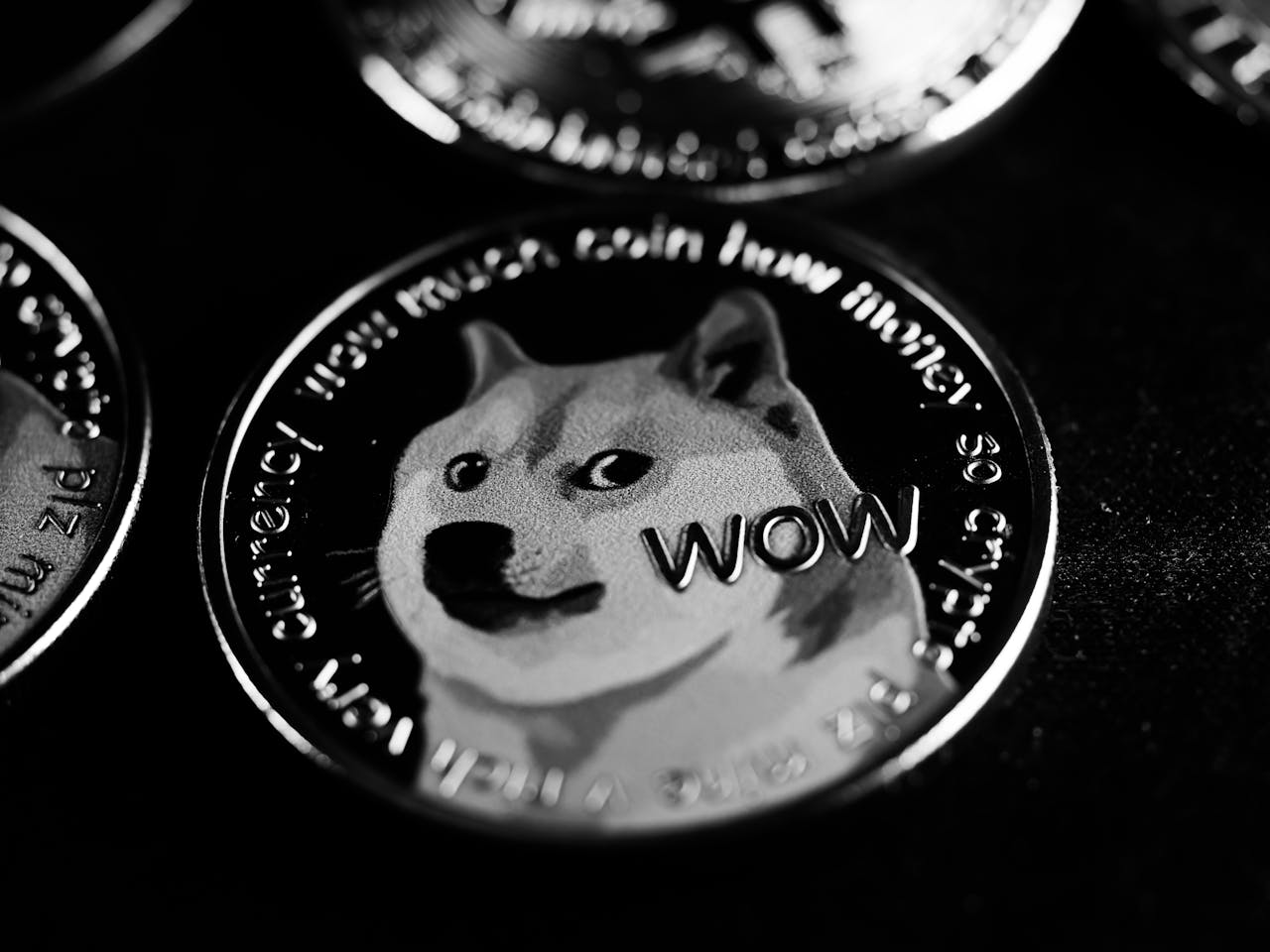
Memes—once seen as lighthearted internet content—are now playing a growing role in how information is shaped, shared, and contested online. A research report highlights how these digital artifacts are being used as tools of persuasion, propaganda, and civic engagement in today’s information environment.
The study, The complex web in memetic warfare: A comprehensive analysis of societal dynamics, interactions and impact, examines how memes function within modern information warfare, with a focus on their use during the Russia-Ukraine war. The research explores how grassroots online communities are using memes not just for humor, but to influence narratives, counter misinformation, and mobilize support.
At the center of the analysis is the North Atlantic Fella Organisation (NAFO), a decentralized online community that has gained attention for its use of meme-based content to challenge pro-Russian narratives. According to the findings, participants use memes to amplify messaging, build community, and engage in what researchers describe as “digital volunteering”—a blend of activism, advocacy, and online culture.
The report draws on a mix of data sources, including a global survey of more than 250 participants, in-depth interviews with NAFO members and Ukrainian civilians, and a broader analysis of meme content tied to key events. Together, these inputs provide insight into how memes are created, shared, and perceived across different audiences.
Researchers found that memes are increasingly used as tools for civic resistance and information resilience. Beyond shaping online discourse, they can influence public perception, foster emotional connection, and encourage real-world actions such as donations and advocacy. The study also notes that memes can humanize complex conflicts, making them more accessible to global audiences.
At the same time, the report highlights challenges associated with this evolving landscape. The widespread sharing of graphic or emotionally charged content raises concerns about long-term exposure and its potential impact on mental health. The study also points to a broader lack of consistent oversight across digital platforms, where engagement-driven algorithms can amplify both constructive and harmful content.
As information environments continue to evolve, the research underscores the need for new approaches to media literacy, cybersecurity policy, and digital engagement. Memes, the report concludes, are no longer just cultural artifacts—they are increasingly embedded in how influence and information operate at scale.