


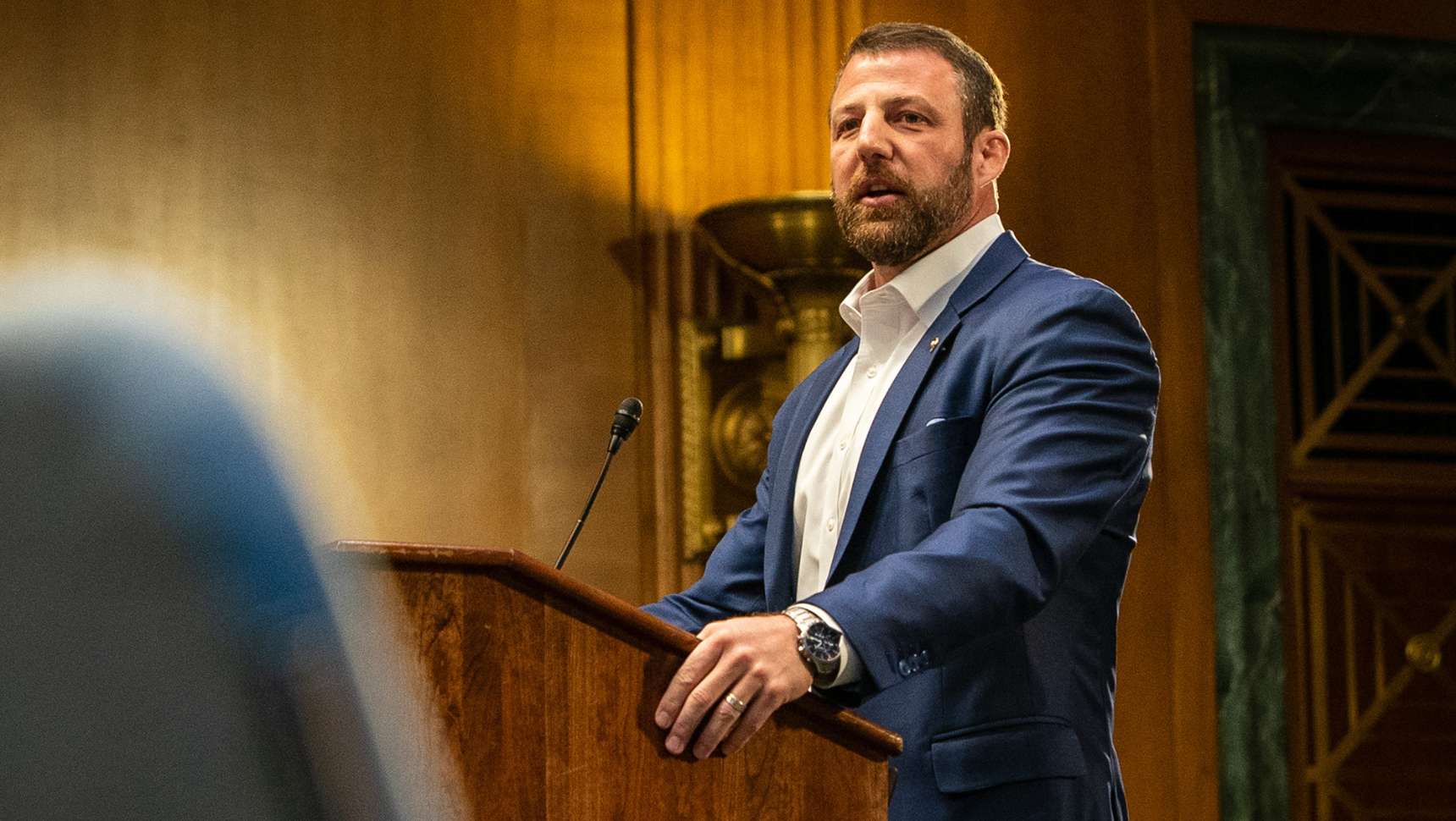
Senate Confirms Markwayne Mullin as Secretary of Homeland Security
The United States Senate confirmed Senator (Sen.) Markwayne Mullin (R-OK) as Secretary of the Department of Homeland Security (DHS) on Monday, March 23, 2026, at 7:40 p.m. in a 54-45 vote, installing the Oklahoma Republican as the nation’s top homeland security official.
The confirmation cleared the Senate largely along party lines with minimal bipartisan support. Two Democrats – Sen. John Fetterman of Pennsylvania and Sen. Martin Heinrich of New Mexico – crossed the aisle to vote in favor of Mullin’s nomination. The lone Republican to vote against confirmation was Sen. Rand Paul of Kentucky. Sen. Ruben Gallego (D-AZ) did not vote.
President Donald Trump first announced the planned transition on March 5, 2026, with March 31 designated as the official handover date. However, Mullin was scheduled to be sworn in as Secretary of Homeland Security at the White House with President Trump present on Tuesday, March 24.
Mullin’s Stated Priorities
At his confirmation hearing before the Senate Homeland Security and Governmental Affairs Committee on March 17, Mullin outlined a measured approach to the role. “My goal in six months is that we’re not the lead story every single day,” he said. “My goal is for people to understand we’re out there, we’re protecting them and we’re working with them.”
Challenges Ahead
Mullin assumes leadership of a department currently operating without full congressional funding. Democrats have withheld support for a DHS funding package, citing concerns over immigration enforcement policies, leaving the agency in a partial shutdown and constrained budgetary position as the new secretary takes office.
Who is Markway Mullin?
March 7, 2026 at 8:25 AM
When Markwayne Mullin arrived in the U.S. Senate in January 2023, he brought a résumé that stood out even in a chamber full of unusual political careers. He was a plumbing-company owner turned congressman, a rancher, a former mixed martial arts (MMA) fighter, and a citizen of the Cherokee Nation.
One of Oklahoma’s two U.S. senators and one of former President Donald Trump’s most loyal allies on Capitol Hill, Mullin’s been tapped by President Trump to serve as the next Secretary of the Department of Homeland Security (DHS). If confirmed, Mullin would be the first Indigenous leader of DHS.
Supporters describe Mullin as a blunt, self-made businessman who speaks for working Americans and rural communities. Critics see him as a combative political performer whose loyalty to Trump and confrontational style sometimes overshadow policy work. Both interpretations draw from a political career that has mixed populist appeal, business credentials, and high-profile controversy.
Mullin’s early background
Markwayne Mullin was born in Tulsa, Oklahoma, on July 26, 1977, and grew up in the small eastern Oklahoma town of Westville. His upbringing on a ranch and in a family-run plumbing business helped shape the political identity he still emphasizes today.
He graduated from Stilwell High School and attended Missouri Valley College on a wrestling scholarship. Mullin left college early when his father became ill and he returned home to help keep the family plumbing business operating.
Years later, in 2010, he completed an associate degree in applied science in construction technology at Oklahoma State University Institute of Technology. His educational background has become a talking point in Washington. Mullin has frequently framed himself as someone who rose through business rather than elite academic institutions, emphasizing real-world work experience over traditional credentials.
Business career and personal life
Before entering politics, Mullin built his reputation as an entrepreneur. After taking over the struggling family business in his early 20s, he expanded Mullin Plumbing into a multi-location company employing dozens of workers. He and his wife Christie later launched additional ventures, including Mullin Environmental and Rowan’s Steakhouse. Alongside his business interests, Mullin operates a cattle ranch in Oklahoma.
The couple have six children and have been married for more than two decades. Mullin frequently highlights family and small-business ownership as central parts of his political identity.
He also cultivated a reputation for physical competitiveness. Mullin competed as a professional MMA fighter with a reported 5–0 record and was inducted into the Oklahoma Wrestling Hall of Fame in 2016.
That fighter persona – sometimes literal, sometimes political – has become a defining element of his public image.
Rise in politics
Mullin entered national politics during the Tea Party wave of the early 2010s. Running as a conservative outsider frustrated with federal regulation and spending, he won election in 2012 to represent Oklahoma’s 2nd Congressional District in the U.S. House of Representatives.
He served in the House for a decade, building a reputation as a staunch conservative and a vocal supporter of energy development, gun rights, and limited government.
In 2022, he successfully ran for the U.S. Senate seat vacated by longtime Oklahoma senator Jim Inhofe and was sworn in on January 3, 2023. In the Senate, he serves on several influential committees, including Appropriations; Armed Services; Health, Education, Labor and Pensions (HELP); and Indian Affairs.
Tribal identity and representation
Mullin’s heritage is an important part of his political story. He is an enrolled citizen of the Cherokee Nation and one of the few Native Americans serving in Congress. His Senate office notes he is the first tribal citizen to serve in the Senate in nearly two decades and only the second Cherokee Nation citizen ever elected to the chamber.
In Washington, he has supported legislation aimed at improving public safety in tribal communities and strengthening tribal law enforcement cooperation with federal agencies. On March 4, he introduced the Promoting Regulatory Independence, Mastery, and Expansion (PRIME) for Meat Processing in Indian Country Act, with fellow Senator Tina Smith (D-MN). The bill empowers tribes to self-govern the inspection of their meat processing facilities, keeping operations local, efficient, and safe.
Mullin also has supported Native American representation within U.S. small businesses, supporting a bipartisan bill in September 2025 to ensure funding for the SBA’s Office of Native Americans Affairs (ONAA). The bill also aimed to create an Associate Administrator position at the ONAA, to give Native Americans equal representation at SBA. According to Mullin, “Small businesses drive the American economy, and the same is true in Indian Country.”
Mullin on the Record: Defending Tribal Contracting
Even as questions swirl around the future of federal procurement and its tribal contracting preferences, especially the SBA’s 8(a) program, Mullin’s own record offers a more textured picture than his combative public persona might suggest.
At a February 10, 2026, Senate Committee on Indian Affairs oversight hearing entitled “Economic Self-Determination in Action: Examining the Small Business Administration Native 8(a) Program,” Mullin introduced Cherokee Nation Principal Chief Chuck Hoskin Jr. and offered some of his most direct public comments yet on the real-world value of tribal federal contracting.
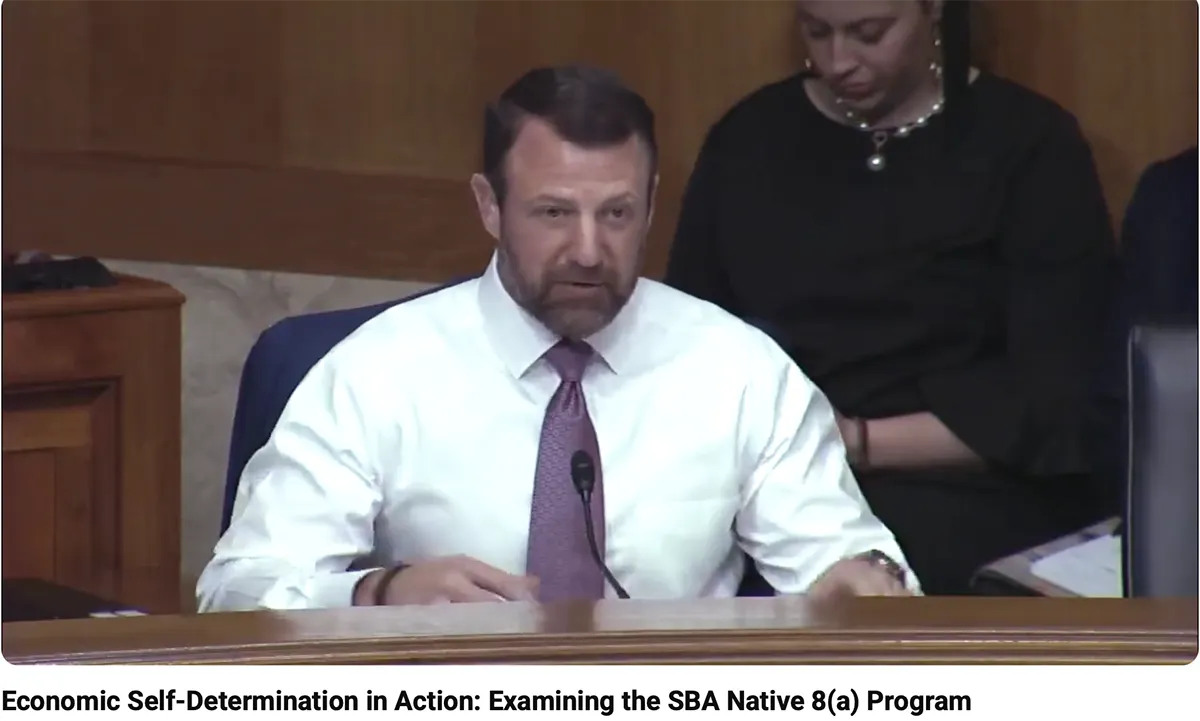
“Cherokee Federal is the largest contractor headquartered in the state of Oklahoma,” Mullin told the committee. “Through Cherokee Federal, the Cherokee Nation serves more than 60 federal agencies, supports every branch of our military, and protects our national security by assisting our brave warfighters both at home and abroad.”
Chief Hoskin reinforced the stakes plainly: “Rural northeast Oklahoma would be hurt incredibly badly if contracting were suddenly removed from the economy.”
Mullin agreed, noting that Cherokee Nation council members treat bringing contracting dollars into their districts as one of their biggest jobs and that they often deliver those resources faster than federal funding can flow through congressional channels. See “Native American and Alaska Native Federal Contracting Preferences: What the Law Provides and What’s Changing” for an in-depth look at federal procurement, the SBA’s 8(a) program and its tribal contracting preferences.
Policy priorities in the Senate
Mullin’s policy agenda largely reflects traditional Oklahoma Republican priorities.
His Senate platform emphasizes:
- expanding domestic energy production and opposing regulations that restrict oil and gas development;
- strengthening border security and tightening immigration enforcement;
- supporting the military and national defense;
- protecting Second Amendment rights;
- promoting rural economic development and agriculture; and
- expanding workforce training and education programs.
On immigration, Mullin has backed policies such as completing the U.S.–Mexico border wall and reinstating the Trump-era “Migrant Protection Protocols,” commonly referred to as the “Remain in Mexico” program. On energy policy, he has argued that increasing U.S. oil and gas production is essential for national security and economic growth.
A close alliance with Donald Trump
One of the defining aspects of Mullin’s national profile is his close relationship with President Donald Trump. Mullin was an early and vocal supporter of Trump and has remained one of his most consistent allies in Congress. He campaigned for Trump during the 2024 election cycle and frequently promotes Trump-aligned policy positions in the Senate.
Their relationship reportedly deepened after Trump attended an NCAA wrestling event at the invitation of Mullin in Tulsa in 2023. “My boys and I had an absolute blast watching the best NCAA wrestlers in the country win it all this weekend alongside our friend, President Donald J. Trump,” Mullin wrote in an Instagram post about the event.
Mullin’s loyalty to Trump has increased his visibility in Republican politics and strengthened his standing among conservative voters.
Controversies and criticism
Like many high-profile politicians, Mullin’s career has included several controversies.
One of the most widely publicized incidents occurred during a 2023 Senate committee hearing when Mullin challenged Teamsters president Sean O’Brien to a physical fight. The confrontation forced Senator Bernie Sanders, who was chairing the hearing, to intervene and restore order.
The moment quickly went viral and drew criticism from Democrats and some Republicans who argued it diminished the dignity of the Senate.
Mullin also was one of two GOP congressmembers who confronted Capitol rioters at the chamber doors, helping police as they attempted to keep rioters out of the building.
Strengths and support
Despite the controversies, Mullin has built a strong political base in Oklahoma and remains popular with conservative voters.
Supporters point to his business background as proof that he understands the challenges facing small employers and working families. His advocacy for tribal sovereignty and public safety initiatives in Indian Country has also earned praise from some tribal leaders.
He has also demonstrated occasional bipartisan cooperation, particularly on issues related to tribal law enforcement and missing persons cases.
Leadership at DHS
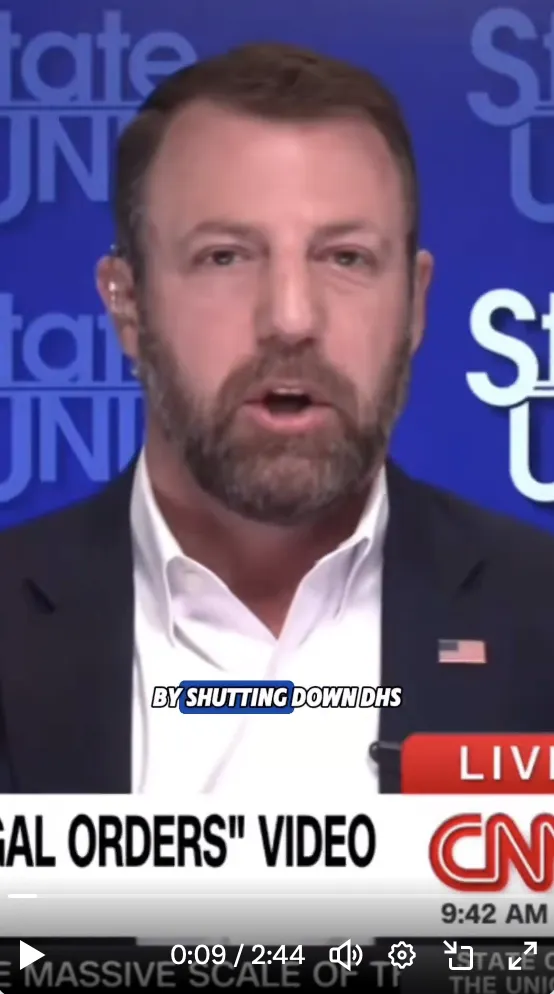
Mullin is expected to be even on more aggressive immigration policy and enforcement if that’s possible.
He has consistently supported finishing construction of the U.S.–Mexico border wall; reinstating the “Remain in Mexico” asylum policy; expanding immigration enforcement operations; and strengthening ICE and Border Patrol resources.
He also backed legislation that would allocate tens of billions of dollars for border wall construction and thousands of new ICE agents, reflecting a belief that enforcement is the central tool for controlling immigration.
What This May Mean for DHS
- Larger, More Aggressive Enforcement Operations
Expect a significant escalation in immigration enforcement under Mullin’s leadership, including:
- Larger deportation operations and expanded detention capacity
- Tighter asylum rules and reduced pathways for migrants
- Increased pressure on sanctuary jurisdictions to cooperate with federal authorities
Mullin has been a vocal defender of mass deportation proposals and robust ICE operations, signaling that the department’s aggressive enforcement posture will continue and likely intensify.
- A DHS Closely Aligned with the White House
President Trump personally selected Mullin to replace former Secretary Kristi Noem following controversy over the agency’s leadership and immigration policies. A staunch and outspoken ally of the President, Mullin is expected to tightly align DHS with the Administration’s broader domestic agenda.
Key implications:
- DHS will remain a central instrument of executive policy
- Immigration enforcement will stay a top institutional priority
- Coordination with the White House on domestic policy will deepen
Whether Mullin’s appointment stabilizes the agency or sustains its current intensity remains to be seen.
- A Combative Leadership Style
Mullin is well known in Washington for a pugnacious, confrontational personality and observers expect that tone to define his tenure at DHS.
Anticipate:
- Aggressive public messaging on border enforcement
- Direct confrontations with critics in Congress and the media
- A forceful rhetorical defense of ICE and border agents
Numerous outlets and commentators have already described him as a “fighter:” a deliberate choice for a high-stakes security role amid an intensifying political battle over immigration.
- Stronger Support for ICE and Border Personnel
Mullin has consistently defended ICE officers and raised alarms about threats to their safety. Under his leadership, DHS is expected to:
- Pursue expanded legal protections for enforcement agents
- Accelerate recruitment and staffing at ICE and CBP
- Strengthen public messaging in support of enforcement operations
This posture could roll back internal reforms that critics argue have constrained enforcement capacity.
- Immigration Reframed as a National Security Issue
Mullin consistently frames immigration not as a humanitarian or economic question, but as a national security threat. He has supported restricting visa programs he views as security risks, including certain waivers for travelers from China and Hong Kong.
Under his leadership, DHS will likely:
- Apply stricter vetting standards to foreign nationals
- Tighten visa and travel policies
- Deepen coordination between immigration enforcement and intelligence agencies
- Potential Focus on Tribal and Rural Security
One area where Mullin stands apart from his predecessors is his background as a citizen of the Cherokee Nation. Some tribal leaders have acknowledged his familiarity with federal Indian policy and justice issues, which could translate into:
- Greater federal attention to crime and law enforcement in tribal jurisdictions
- Stronger collaboration between DHS and tribal law enforcement agencies
- Continued support for contracting preferences benefiting tribal entities and Alaska Native Corporations, which currently hold expanded sole-source contracting authority and receive distinct regulatory treatment compared to other small businesses
This would represent a relatively uncommon policy focus for the department.
- A Department Rebuilding After Internal Turmoil
Mullin inherits a department under strain. His predecessor was removed amid criticism over enforcement tactics, spending controversies, and internal management failures, leaving DHS in need of stabilization.
His early priorities are likely to include:
- Restructuring department leadership
- Rebuilding morale across DHS personnel
- Stabilizing key agencies, including FEMA and ICE
How quickly he can restore institutional cohesion may shape the department’s effectiveness in the months ahead.
Bottom line: what his DHS will probably look like
If confirmed and given freedom by the White House, Mullin’s DHS will likely be:
More aggressive
- larger deportation operations
- expanded border enforcement
More political
- closely aligned with Trump messaging
- DHS becoming a centerpiece of immigration politics
More confrontational
- strong defense of ICE
- willingness to challenge critics publicly
More security-focused
- immigration framed primarily as national security
(AI was used in part to facilitate this article.)
