
- Pakistan–Taliban tensions escalated into open conflict after a February 2026 ISKP bombing in Islamabad, triggering airstrikes, border clashes, and retaliatory attacks between the two sides.
- The conflict weakens counterterrorism efforts, as both Pakistan and the Afghan Taliban divert resources toward fighting each other instead of targeting ISKP.
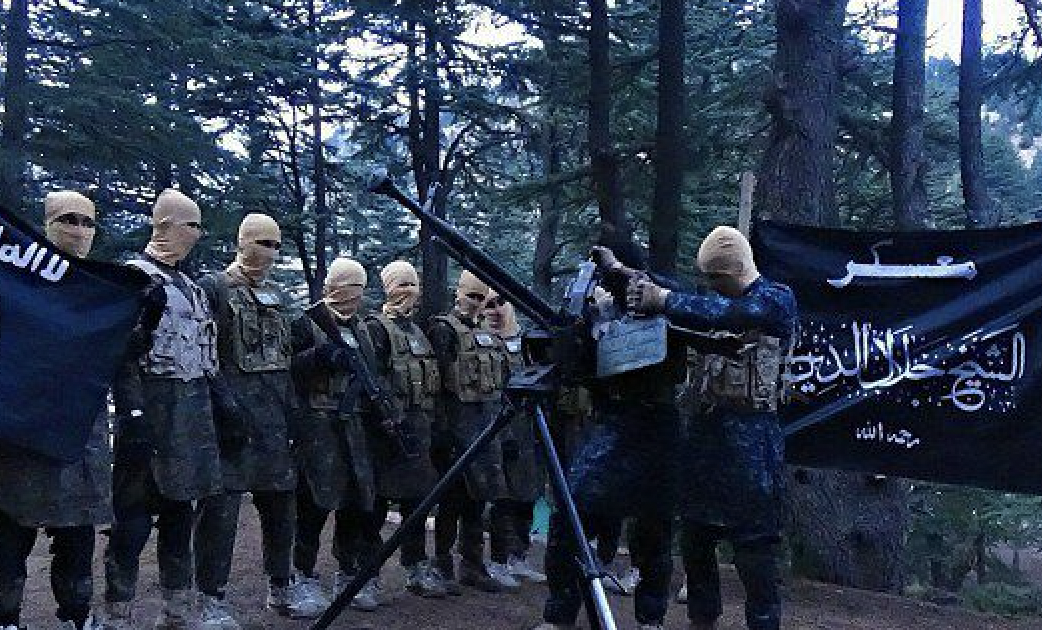
- ISKP is the main beneficiary, using the instability to rebuild operational capacity, expand recruitment, and revive its regional and international attack networks.
How ISKP Exploits Regional Conflict to Expand Influence
The intensifying military confrontation between Pakistan and the Afghan Taliban, which has governed Afghanistan since 2021, not only threatens the stability of neighbouring post-Soviet Central Asian states but also creates strategic opportunities for Uzbek and Tajik Salafi jihadist cells linked to the Islamic State Khorasan Province (ISKP).
Although tensions between Afghanistan and Pakistan have deep historical roots—stemming from territorial disputes, geopolitical rivalry, and longstanding security mistrust—the immediate trigger for the current escalation was a deadly suicide bombing carried out on February 6, 2026, at a Shiite mosque in Islamabad during Friday prayers. The attack killed at least 36 people and wounded approximately 170 others. Responsibility for the attack was claimed by ISKP via its Amaq news agency, which identified the attacker as Saifullah Ansari.
Pakistani authorities subsequently announced the arrest of four suspects—including an Afghan national identified as the alleged ISKP mastermind behind the mosque bombing—in security raids conducted in Peshawar and Nowshera. Following the arrests, officials in Islamabad accused the Afghan Taliban of allowing militant groups, including the Tehrik-i-Taliban Pakistan (TTP) and ISKP, to operate from Afghan territory—allegations that sharply escalated tensions between the two sides and contributed to the current military confrontation.
In the days following the ISKP mosque bombing, TTP militants intensified attacks against Pakistani security forces, including a deadly vehicle-borne bombing at a checkpoint in Bajaur District on February 19 and a suicide assault on a military convoy in Bannu on February 21. The surge in violence prompted Islamabad to accuse the Afghan Taliban of providing sanctuary to TTP leaders, further escalating tensions.
On the night of February 21–22, 2026, the Pakistan Air Force conducted a series of airstrikes targeting eastern Afghan provinces, including Nangarhar and Paktika, during the sacred month of Ramadan. Islamabad stated that the strikes aimed to destroy “camps and safe havens” of TTP and ISKP militants. In response, on February 26, 2026, Afghan Taliban forces launched a counteroffensive along the Durand Line in Host, Paktia, Nangarhar, and Kunar provinces, capturing several Pakistani border posts. Pakistan retaliated with airstrikes on Kabul on February 27, marking the beginning of “open war” between the two countries. Intense clashes continued through early March, including the capture of additional posts in Alishir, Dabagi, and Spin Boldak, while airstrikes on Kabul and surrounding provinces caused further civilian casualties.
Strategic Opportunities for ISKP
The escalating conflict between Pakistan and the Afghan Taliban has created significant openings for the Islamic State Khorasan Province (ISKP). As Pakistani forces focus on countering TTP attacks and managing cross-border confrontations, ISKP exploits the resulting security gaps in eastern Afghanistan to expand its operational presence, including planning attacks, moving fighters, and smuggling weapons.
The group also stands to gain in recruitment, attracting militants disillusioned with both the Taliban’s pragmatism and TTP’s setbacks, particularly among Uzbek and Tajik operatives seeking a more ideologically uncompromising platform. Simultaneously, ISKP leverages the conflict in its propaganda, portraying the Taliban as collaborators with Pakistan and framing the ongoing violence as evidence of the failure of other actors to protect Muslim communities—thereby reinforcing its narrative of legitimacy and increasing its appeal to both regional and transnational supporters.
Historically, the Afghan–Pakistani borderlands, particularly South Waziristan, have served as safe havens for Central Asian militants. It was there that Usman Ghazi, the Emir of the Islamic Movement of Uzbekistan (IMU), in coordination with TTP leader Hafiz Saeed Khan, helped establish ISKP in 2015, demonstrating the region’s strategic significance in sustaining jihadist networks. If unimpeded, this resurgence could trigger renewed jihadist activity, armed clashes, humanitarian crises, refugee flows, and broader destabilization across South and Central Asia.
ISKP’s Operational, Recruitment, and Propaganda Advantages
As the Taliban are forced to focus on border security and managing TTP activity along the Durand Line, their counter-ISKP operations are losing priority. Intelligence and security units are becoming overstretched, creating operational gaps that ISKP can exploit in provinces such as Nangarhar, Kunar, and northern Afghanistan. This diversion of resources reduces pressure on ISKP networks, allowing the group to consolidate, move fighters, and expand its influence.
Following its weakening in 2025 after coordinated counterterrorism operations by the US, Afghanistan, Turkey, Pakistan, Syria, Iran, and Russia in response to ISKP’s overseas attacks and plotting in Russia, Iran, Turkiye, and the West, the group has begun to reassert its ideological and propaganda influence. The May 2025 arrest of Sultan Aziz Azzam—founder of the Al-Azaim Foundation and ISKP’s chief spokesperson—dealt a severe blow to the group’s media apparatus. Under his leadership, Al-Azaim developed into a sophisticated multilingual propaganda network producing content in Pashto, English, Dari, Urdu, Uzbek, Tajik, and Russian, elevating ISKP’s media reach among global Salafi-jihadi organizations.
The recent escalation of tensions between the Afghan Taliban and Pakistan, however, has provided ISKP with renewed propaganda opportunities. In Issue No. 47 of its English-language magazine Voice of Khurasan (March 12, 2026), the lead editorial titled “Jihad and Nationalism — Patriotism!” sharply condemns both the Afghan Taliban and Pakistan for abandoning the Qur’anic principle of a unified Muslim Ummah and embracing nationalist ideologies. The article argues that nationalist states cannot defend the global Muslim Ummah and that the sacred jihad undertaken for the advancement of Islam remains beyond their scope. By advancing this narrative, ISKP exploits the Taliban–Pakistan conflict to reinforce its claim that only an Islamic Caliphate can serve as the legitimate political authority capable of protecting Muslims worldwide.
ISKP could also quickly restore its capacity to plan external attacks, which had been weakened after Pakistani authorities dismantled a 48-member network involved in overseas operations during a seven-month 2024 campaign. The arrest and U.S. extradition of Mohammad Sharifullah, the organizer of the Abbey Gate attack, dealt a significant blow to the group’s external operations. Yet the strategic impact of these arrests may erode rapidly amid the ongoing conflict between Pakistan and the Afghan Taliban, allowing ISKP to regain operational momentum.
Conclusion
The escalating conflict between Pakistan and the Afghan Taliban is unlikely to abate soon and carries serious implications for regional security. While Islamabad has signaled zero tolerance for cross-border attacks, heavy-handed measures—including airstrikes and deportations—risk fueling local grievances and exacerbating tensions with Kabul. At the same time, the diversion of Taliban and Pakistani resources toward managing the conflict has created strategic openings for ISKP, allowing the group to rebuild operational capacity, expand recruitment, and amplify its propaganda.
A sustainable response will require both countries to balance counterterrorism objectives with local and regional sensitivities, including addressing security concerns, economic pressures, and the welfare of affected communities. Cooperative engagement, intelligence-sharing, and regional diplomacy offer the best means of containing jihadist threats and preventing the conflict from further empowering ISKP and other extremist actors. Failure to manage these dynamics effectively could entrench instability across Afghanistan, Pakistan, and the broader Central Asian region, with long-term consequences for both security and governance.